
Places Worth Experiencing
Venice in the fog
Winter Days, Living Traditions and the Art of Making
“Soprarizzo” is a Venetian velvet whose pattern changes with the light. Its name belongs to a city that has long understood beauty through the skill of making things.
For centuries, ships brought materials and ideas into the lagoon and carried Venetian glass, textiles and other goods to distant markets. Behind the palazzo façades was a city of workshops, warehouses and people whose work shaped its daily life.
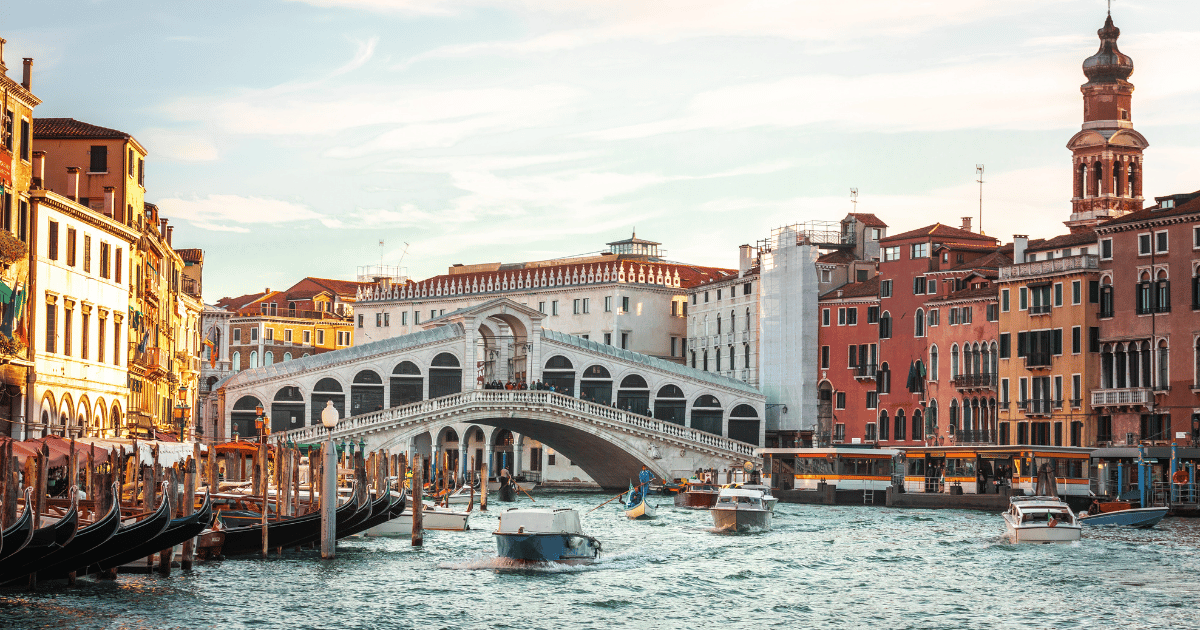
That working city has not disappeared. In winter, it is simply easier to notice. Between January and March, a weekday might begin with a walk across the Rialto Bridge as the market prepares for the day, or continue towards the Basilica dei Frari without the need to keep pace with a crowd. Later, the bacari fill with Venetians stopping on their way home.
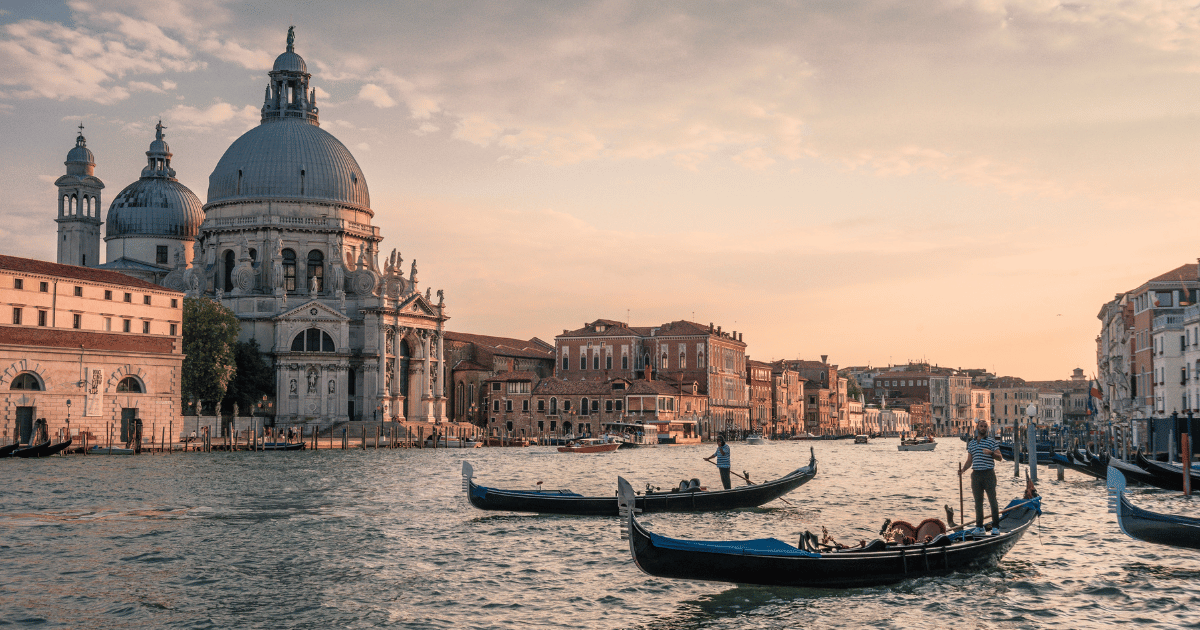
Even the familiar landmarks look different. From the waterfront, the Basilica della Salute may emerge gradually from the fog while the far bank of the Grand Canal disappears. You hear a boat before you see it. This is a Venice that seldom resembles its postcards.

A City Made by Hand
Venice’s history lives in its crafts as much as in its monuments. Glass, gold leaf and textiles were once part of a thriving manufacturing economy. Some of that work continues today, sustained by people with skills passed down over generations.
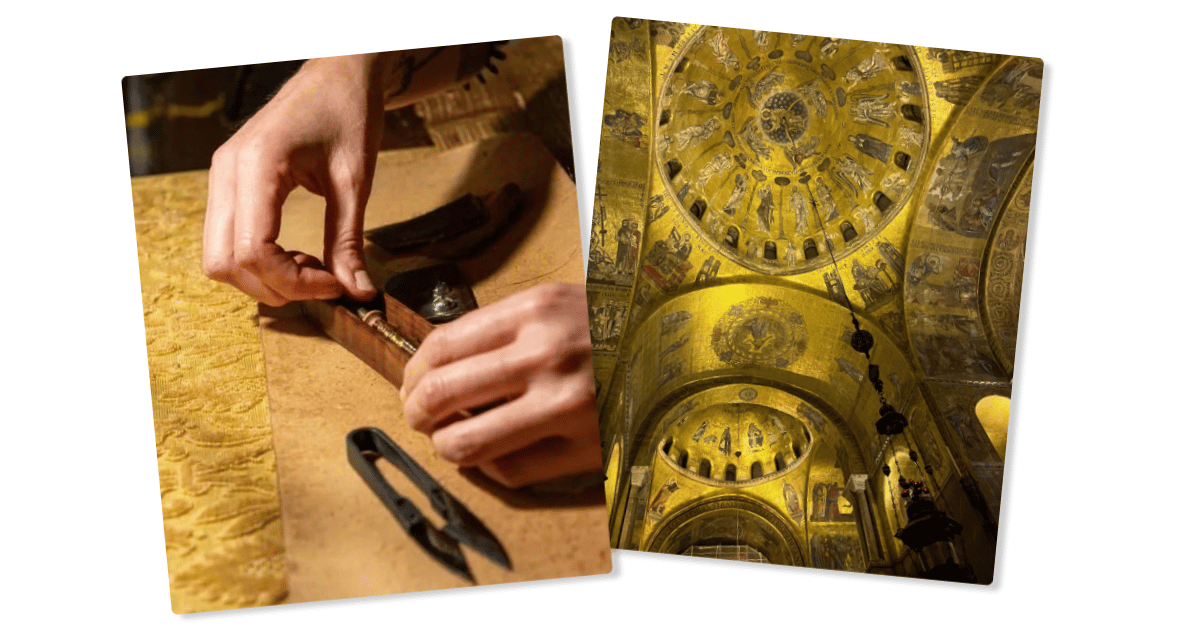
Take soprarizzo, a Venetian velvet woven with both cut and uncut silk pile. Its two surfaces catch the light differently, giving the pattern a depth that changes as you move around it. Particularly intricate pieces can advance by only a few centimetres in a day. Understanding how such a fabric is made offers another way to appreciate the beauty for which Venice is known.
The city’s traditions also live beyond its workshops. Each November, for the Festa della Madonna della Salute, Venetians cross a temporary votive bridge to reach the basilica and light a candle. It is a deeply felt occasion and a reminder that the city’s rituals still belong to the people who live here.
SELECTED EXPERIENCES
Velvet at Six Centimeters a Day
Visit Tessitura Luigi Bevilacqua, where eighteenth-century hand looms are still used to weave Venetian velvet. Watch a pattern take shape thread by thread, then continue to Museo Fortuny, in the palazzo where Mariano Fortuny and Henriette Nigrin experimented with textiles, colour, clothing and light. Together, the visits connect a working Venetian craft with a house devoted to invention.
San Marco After Dark
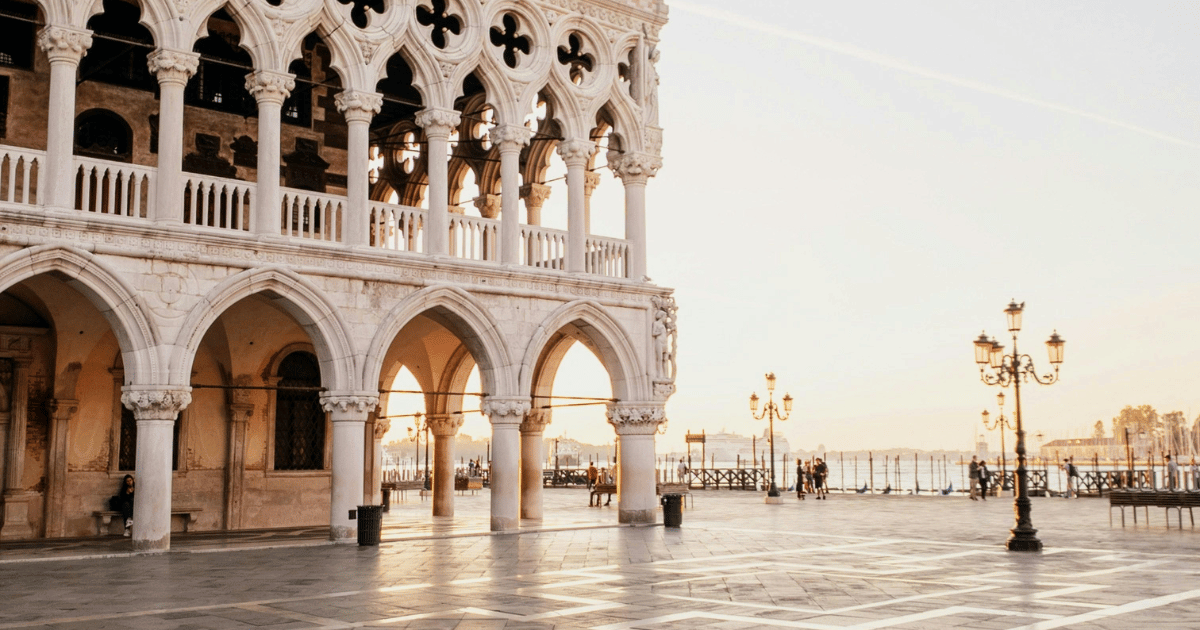
Enter the Basilica after the daytime visitors have left. With the interior illuminated, the mosaics and Pala d’Oro can be seen in a different atmosphere, with time to linger over the details. This evening visit should be arranged in advance.
WHERE TO STAY
Londra Palace
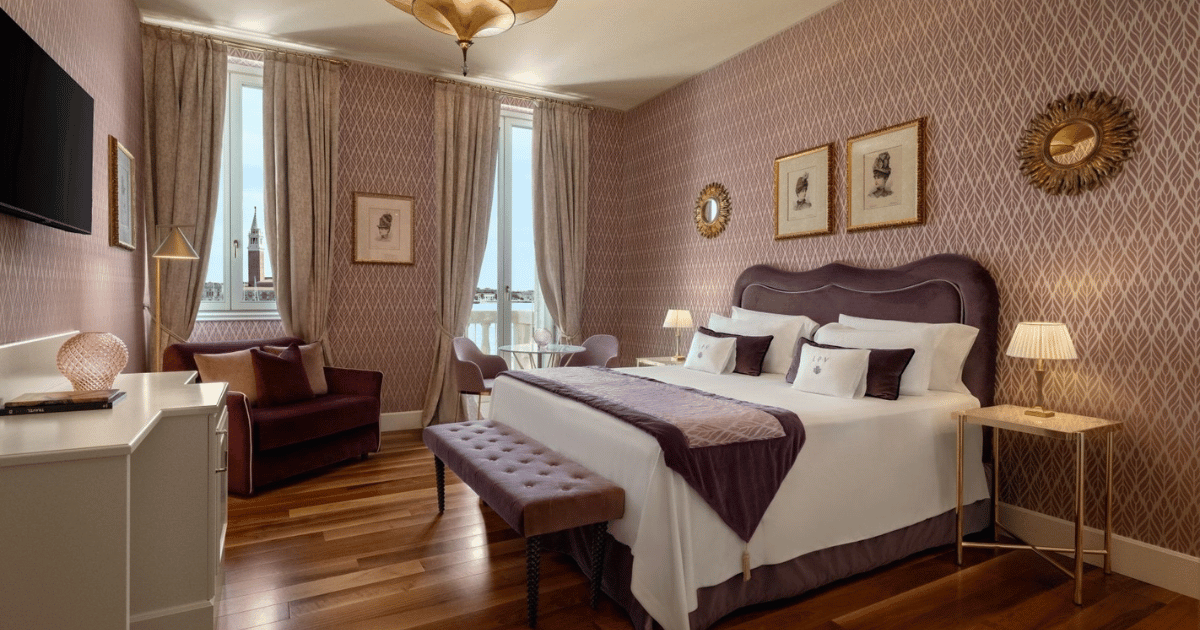
Londra Palace is for travellers who want to wake up to one of Venice’s most recognisable views. Set on the Riva degli Schiavoni, a short walk from San Marco, it has welcomed guests since 1853. Some rooms have small balconies overlooking the lagoon; in winter, watching the light change across the basin can become a memorable part of the stay. The restaurant and terrace face the water, too. Here, the view is part of the experience from morning onwards.
Nolinski Venezia
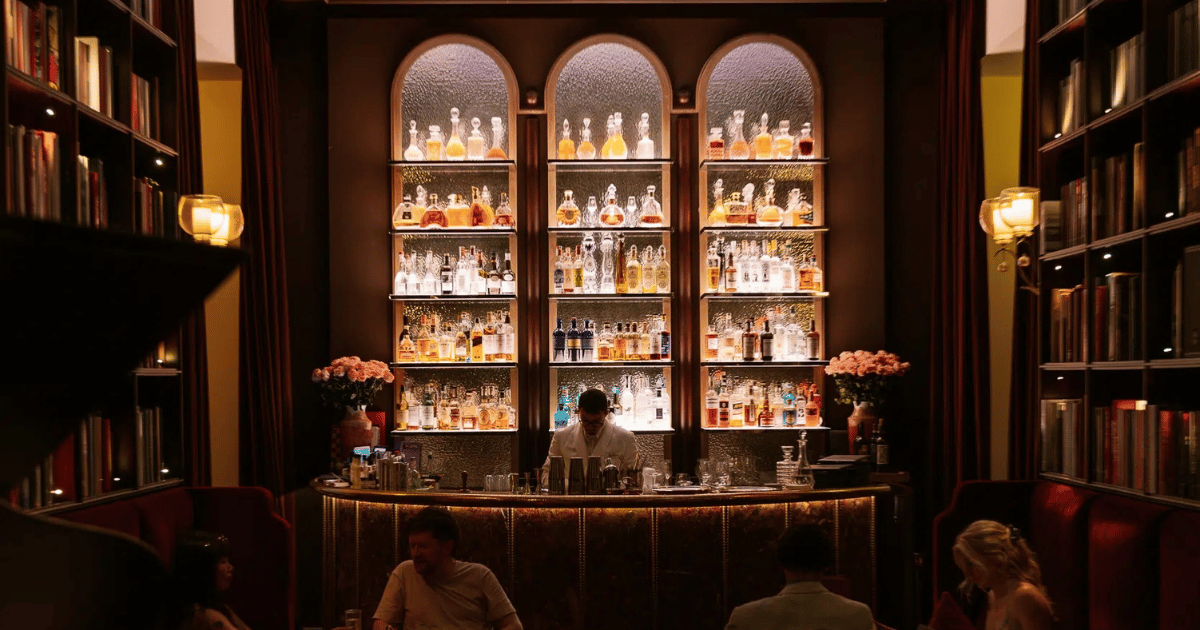
Nolinski Venezia reveals a different side of the city, shaped by design and the reinvention of a historic building. Close to San Marco, it occupies Venice’s former Stock Exchange. Behind its decorated façade are contemporary interiors, a Library Bar and a small pool on the top floor overlooking the rooftops. It suits travellers who prefer a more contemporary atmosphere and a quiet place to return to after a day in the calli.
For those looking for a smaller hotel, Violino d’Oro is another option to consider.
A TASTE OF WINTER
Cicchetti
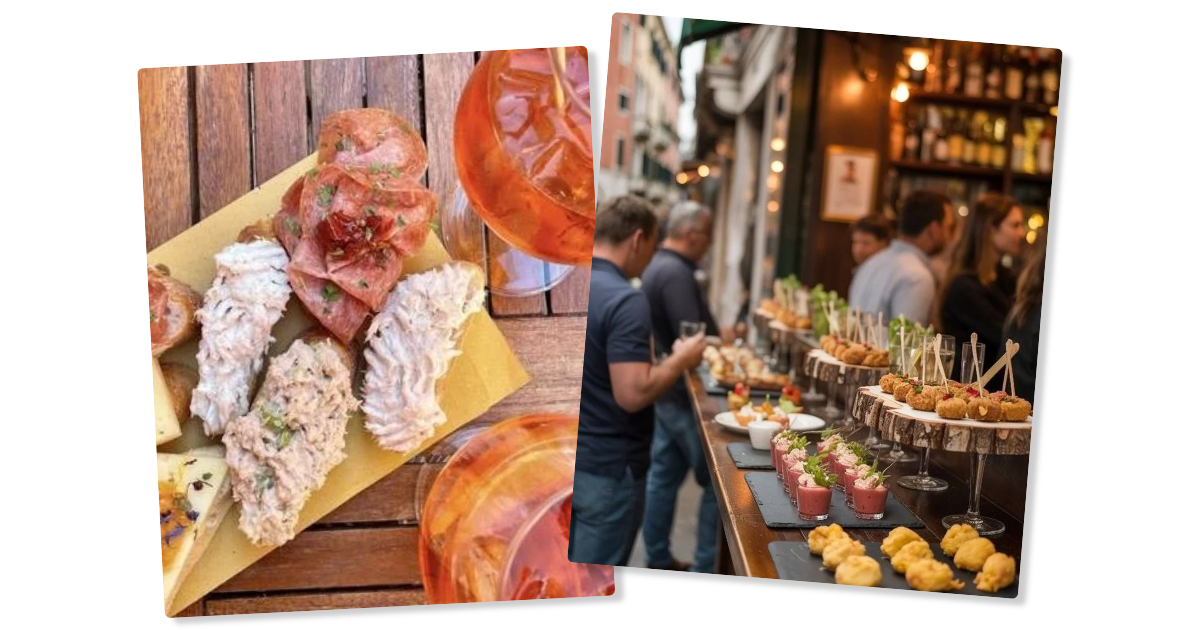
At noon, stop at a bacaro for cicchetti: small bites displayed at the counter, chosen by pointing to whatever catches your eye. There might be a crostino topped with soft, creamy baccalà mantecato, or sarde in saor, sardines dressed with sweet-and-sour onions. The selection changes from one bacaro to the next. Choose a few, order an ombra of white wine and let lunch become an unhurried Venetian pause.
DESERVING INSIGHT
Carnevale can be part of a winter trip, but it is not the reason we recommend Venice between January and March. The real advantage is an ordinary weekday: quieter streets, artisans at work and a better chance of securing a table that would require far more planning in May. Fog, often seen as a drawback, is part of the appeal. It gives January photographs a character no postcard can reproduce.
Acqua alta is an understandable concern. Since the MOSE barriers began operating, serious flooding has become much less likely. Venice still has tides and changing weather, but high water need not define a winter itinerary.
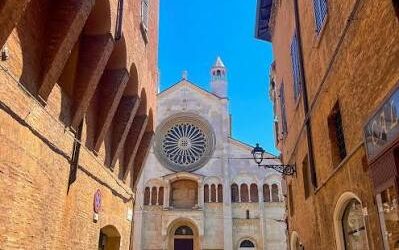
Modena and Bologna: Two Cities, One Table
"Acetaia" A place where balsamic vinegar is made and aged. In Modena, an acetaia is often an attic above a family home, where wooden barrels are tended for decades and passed from one generation to the next. The word offers a glimpse of the city beyond its monuments:...

Rome in low light: the case for visiting in winter
"Volemose Bene"Literally, “let’s care for one another.” Like many Roman expressions, its meaning depends as much on the tone and the moment as on the words themselves. It can be affectionate, ironic, conciliatory and unmistakably Roman.It is one of those expressions...
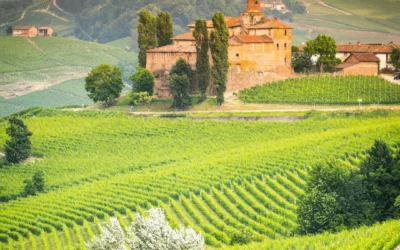
The Langhe: Where the Landscape Tells the Story
"Nebbia."Mist. In the Langhe, it doesn't hide the landscape.It slowly reveals it. Some places become famous because of what they produce. The Langhe are different. Long before Barolo and the White Truffle became symbols of this region, these hills had already shaped a...