
Places Worth Experiencing
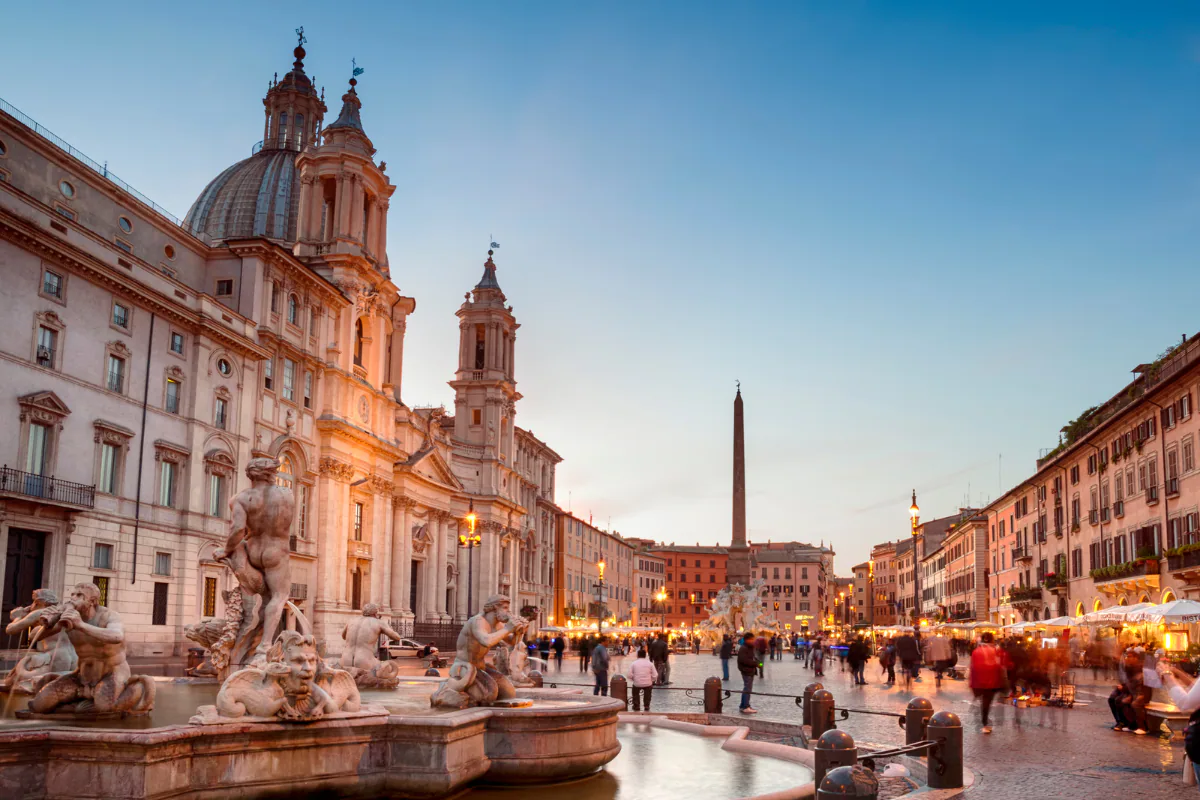
Rome in low light:
The case for visiting in winter
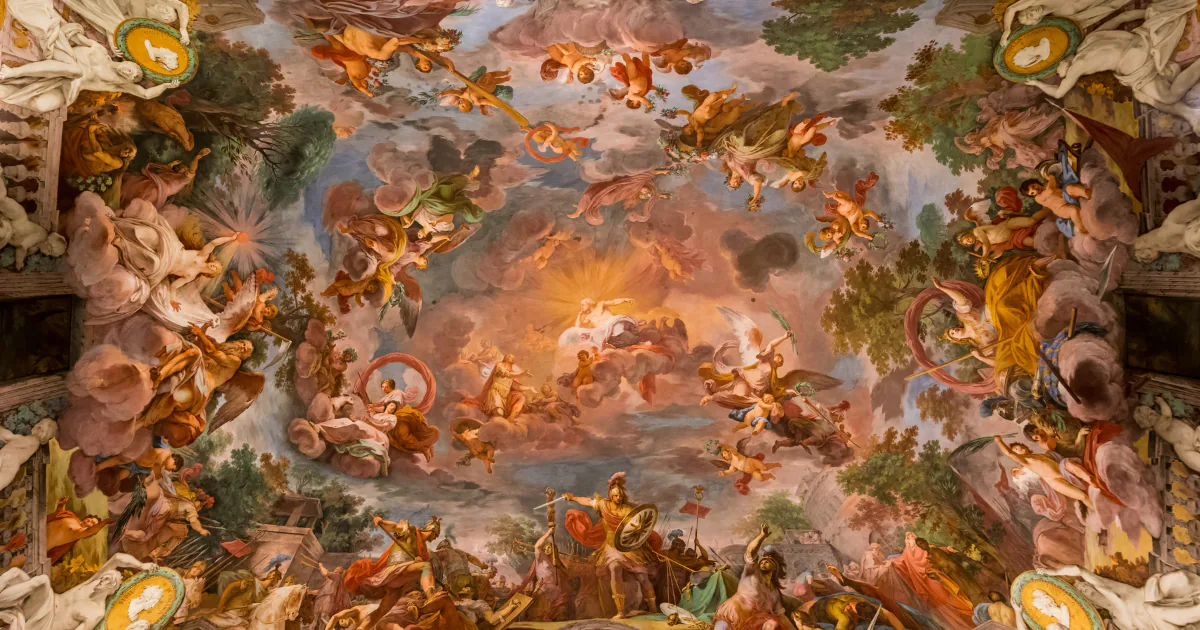
“Volemose Bene”
Literally, “let’s care for one another.”
Like many Roman expressions, its meaning depends as much on the tone and the moment as on the words themselves. It can be affectionate, ironic, conciliatory and unmistakably Roman.
It is one of those expressions that reveals something about Rome beyond its monuments: a city whose character is found in its language, its habits and, above all, its neighborhoods.
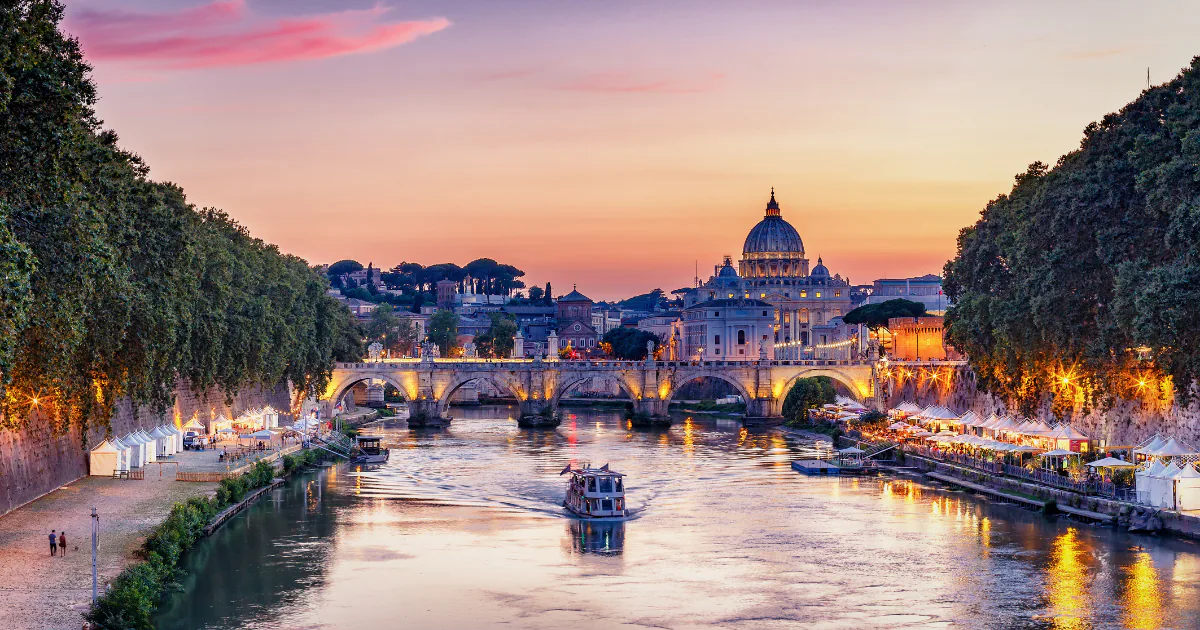
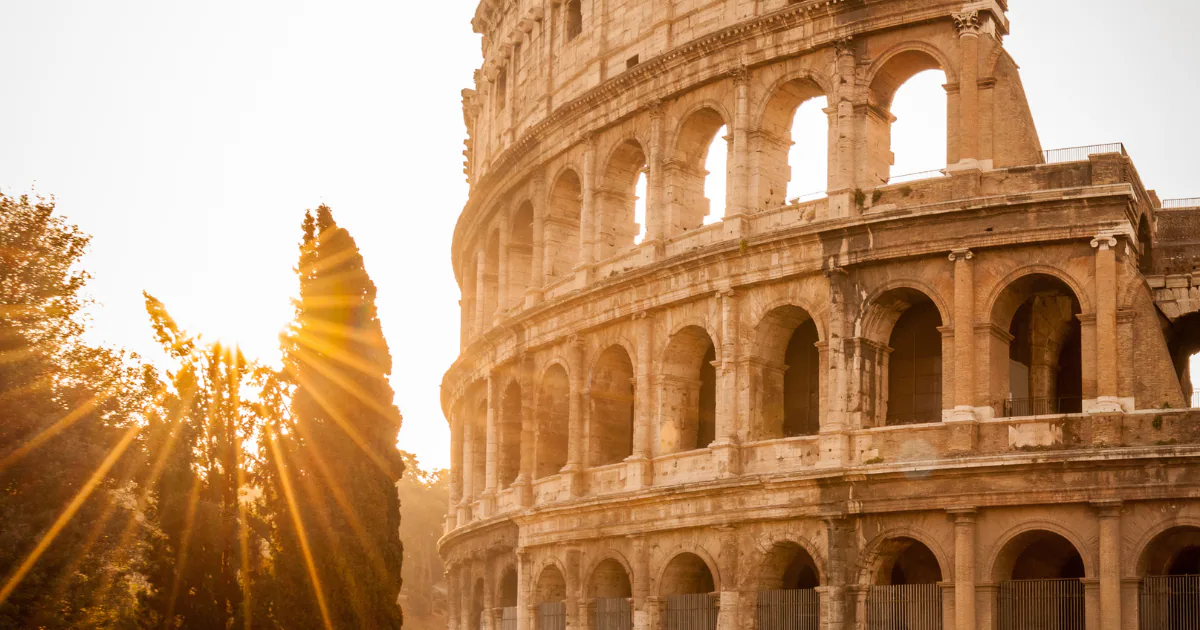
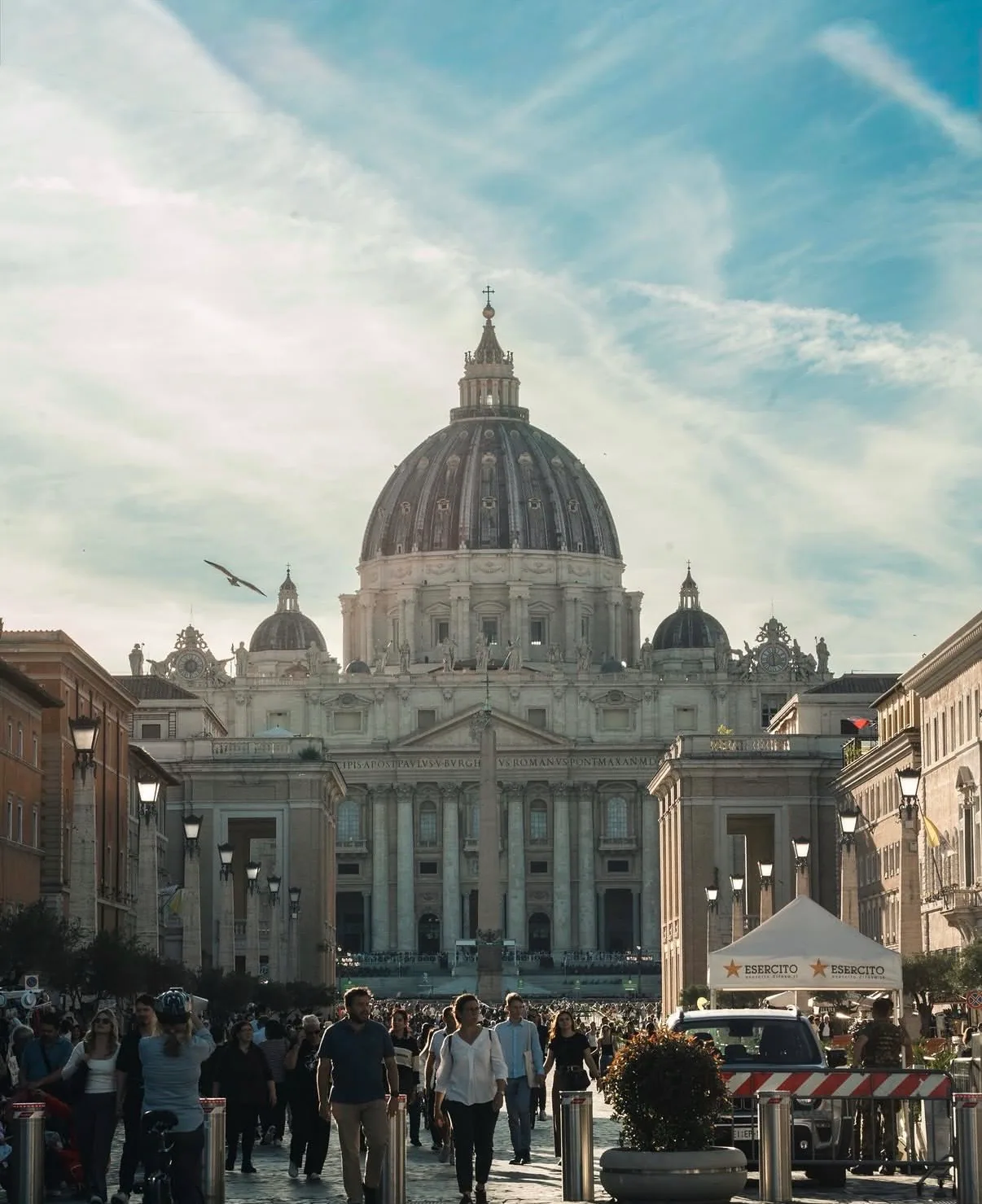
Rome is not organized only around its monuments. It is also a city of rioni, the historic districts that give different parts of the city their own identity.
Someone will tell you they are from Monti, Trastevere or Testaccio, and that answer often says something about the bakery they use, the trattoria they defend and the streets they consider their own.
Understanding this changes how a trip to Rome can be built. An itinerary organized only around monuments can become a succession of transfers from one landmark to another. An itinerary organized around neighborhoods allows the day to hold together, where the walk between two places becomes part of the experience rather than simply the cost of reaching the next stop.
A CITY YOU WALK ON TOP OF
One of Rome’s most extraordinary qualities is that its history is not confined to museums.
Beneath San Clemente, earlier structures reveal centuries of the city’s history. Beneath Palazzo Valentini, archaeological remains bring ancient Roman domestic life unexpectedly close to the modern city.
Rome did not simply replace itself. It continued building over what came before, leaving layers of history remarkably close to everyday life.
Visitors can feel this particularly well in winter, when the crowds thin and the city becomes quieter. Streets that during peak season move with a constant current of visitors begin to feel like streets again, with Romans crossing them on the way to work, stopping for coffee or returning home.
THE RIONE AS AN ITINERARY
Monti grew from the ancient Suburra and today mixes workshops, small restaurants and neighborhood life around its piazzas.
Testaccio’s identity is deeply connected to Rome’s working-class and culinary history, while Trastevere has developed its own unmistakable character across the river. Nearby, the historic Jewish quarter preserves a culinary tradition unlike any other in the city.
None of these should be treated simply as stops on a checklist. They are places where a morning can unfold.
SELECTED EXPERIENCES
Painting a fresco in Rome
The Vatican Museums are unavoidable for many first-time visitors, but the experience changes considerably according to the season and the way the visit is arranged.
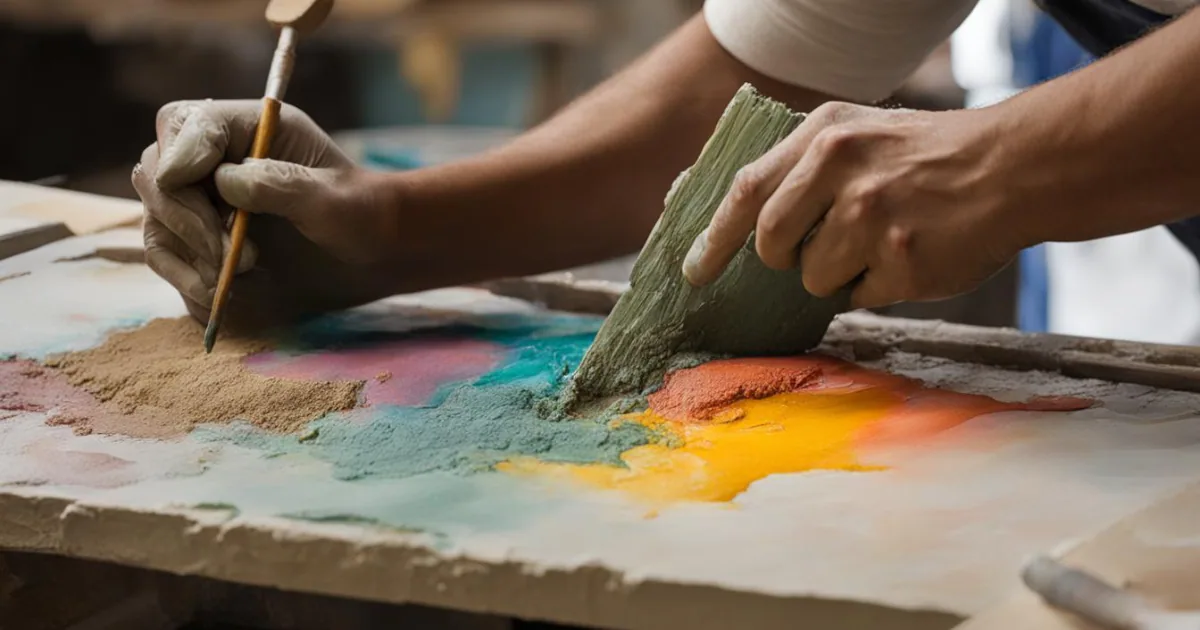
We like to organize the visit with an art historian who can adapt the experience to the interests and pace of the guests rather than simply following a predetermined route. Afterward, we can take the experience one step further.
In a working studio, a fresco painter introduces guests to lime plaster, powdered pigments and the sinopia, the preparatory drawing that guides the composition. Guests prepare their own surface and paint while the plaster is still wet, discovering firsthand why fresco painting requires both precision and confidence.
The pigment does not simply sit on the surface. As the plaster dries, it becomes part of it.
For adults, it creates a new understanding of the works they have just spent the morning looking at. For children, it turns art history into something physical, immediate and surprisingly intuitive.Everyone leaves with the panel they created.
DINNER IN A ROMAN PALACE
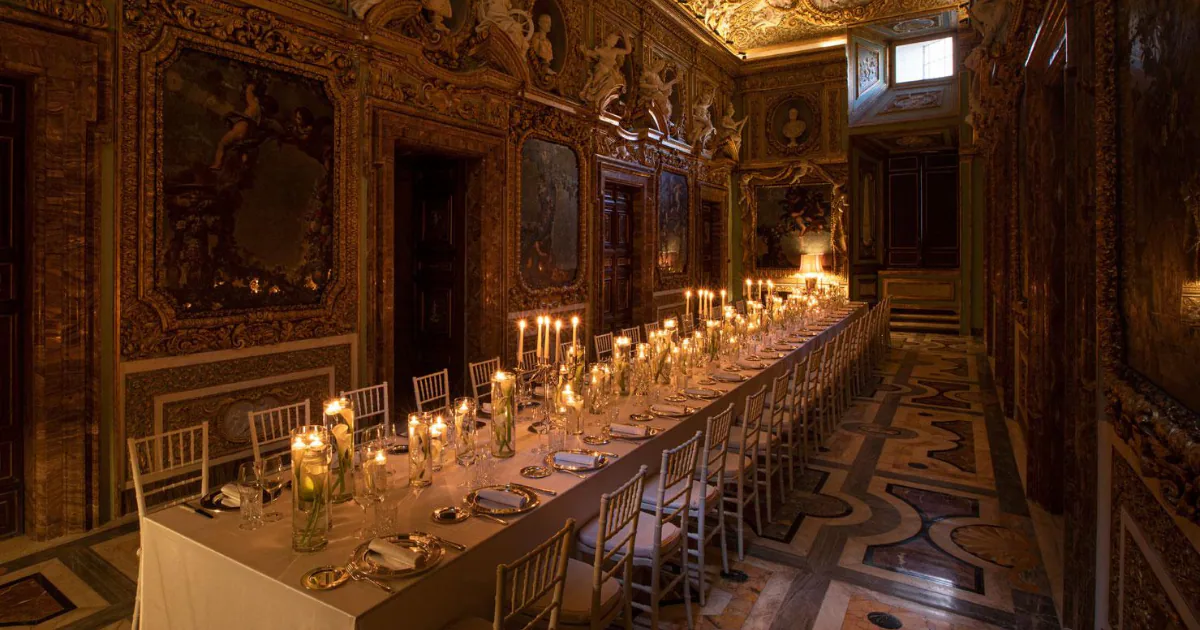
Behind some of Rome’s grand façades are private residences that remain closely connected to the families who have inhabited them for generations.
Through relationships built over time, we can arrange for one of these families to open their private residence exclusively for our guests, for an aperitivo or dinner hosted in the company of the owners.
The evening is designed around the guests. Depending on their preferences and budget, we can complement the experience with live music, from a string quartet to jazz musicians or singers, creating an atmosphere that feels entirely personal to the occasion.
This is not a restaurant designed to resemble a palace, nor an event our guests are simply invited to attend. The residence is opened specifically for them, with the evening arranged around their visit. What makes the experience memorable is precisely this: the feeling of being welcomed into a private Roman home for an evening that would not otherwise be taking place.
WHERE TO STAY
The two properties below are alternatives rather than a two-part stay. Both work beautifully in winter, but they suit very different travelers.
Villa Spalletti Trivelli
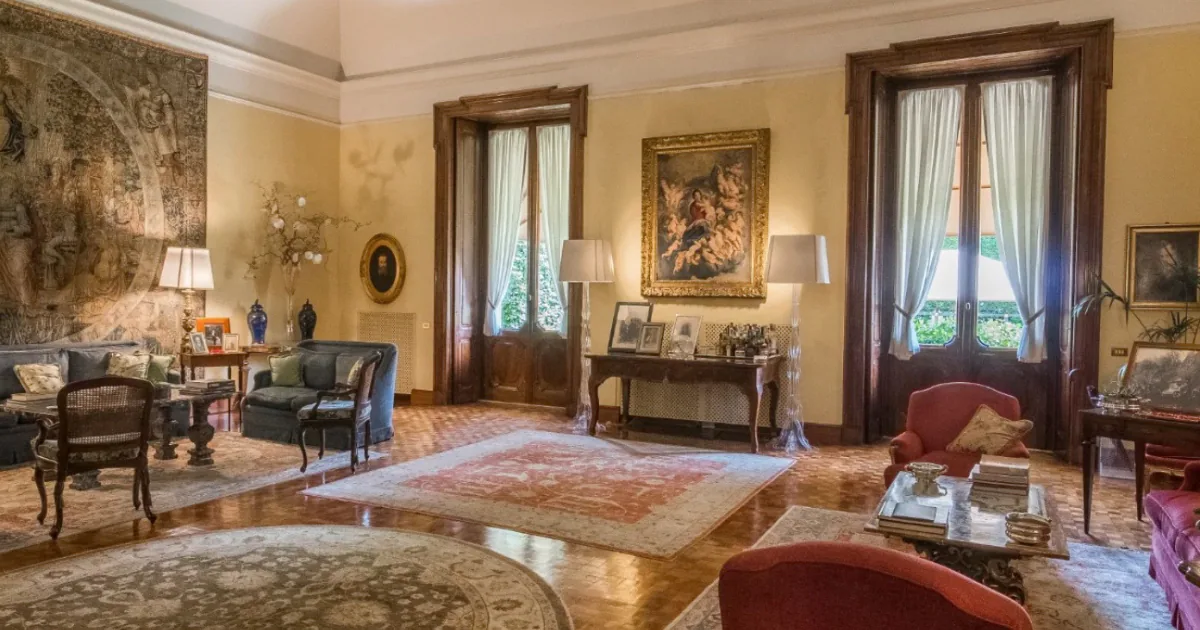
Set below the Quirinale and hidden behind a discreet entrance, Villa Spalletti Trivelli retains the atmosphere of a private Roman residence.
A walled Italian garden, intimate salons, books, family portraits and fires lit during the colder months create a sense of retreat despite the central location. The rooms are few and individual, and the overall feeling is closer to staying in a private home than passing through a conventional hotel.
It suits travelers who want to spend the day discovering Rome and return in the evening to somewhere quiet, intimate and removed from the movement of the city.
The First Arte
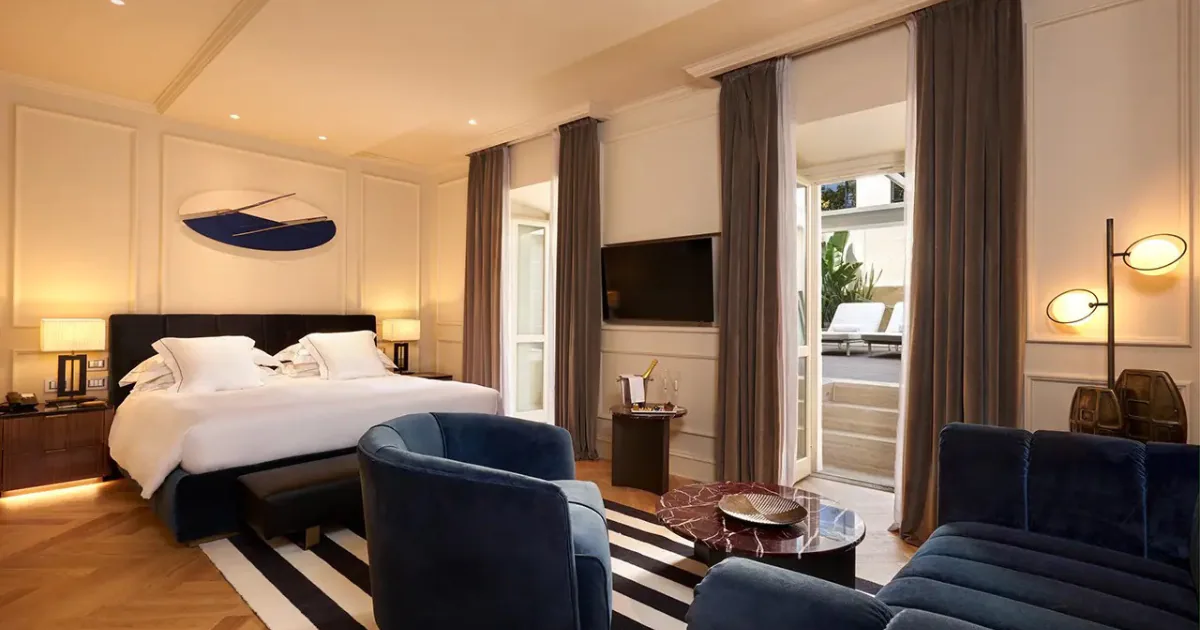
A few minutes from Piazza del Popolo, The First Arte offers a more contemporary interpretation of a Roman stay.
Art plays a central role throughout the property, while the interiors combine warm materials and contemporary design. Its location makes it particularly well suited to guests who want to explore much of central Rome on foot and return to a hotel that feels urban, modern and connected to the city.
It works especially well for couples and for travelers who have already experienced Rome in a more classical way and are looking for a different perspective.
The choice between the two is less about which hotel is better and more about which version of Rome the traveler wants to come home to.
A TASTE OF ROME
Maritozzo
It looks like a sweet bun split down the middle and generously filled with whipped cream, and that is essentially what it is.
The soft, lightly scented dough and abundant cream make the proportion deliberately indulgent. Romans traditionally enjoy it in the morning, often standing at the counter with a cappuccino.
It is not really a dessert and certainly does not need an occasion.
For a traveler who wants to adopt one simple Roman ritual for a few days, this may be the easiest one.

DESERVING INSIGHT
Why we recommend Rome between November and January
Rome is most often imagined in spring and early summer, when the days are long and the city is at its busiest.
Winter offers something different.
There are fewer visitors than during the main tourist season, reservations and private experiences can be easier to arrange, and the city’s rhythm becomes more visible. The lower seasonal light also gives Rome a different visual character, particularly across its travertine, brick and ochre façades.
There is, of course, a trade-off. Days are shorter, the weather is cooler and some smaller sites may operate reduced hours. A traveler dreaming of long outdoor dinners will probably prefer another season. But for guests interested in art, food, neighborhood life and experiencing Rome at a more considered pace, the quieter months can be among the most rewarding.
Choosing the right destination matters. Choosing the right moment to experience it matters just as much.
When we design an itinerary, we do not begin with a list of sights to fit into a week. We begin by asking what deserves the client’s time, and when a destination can offer the experience that best suits them.
That answer changes from region to region and from traveler to traveler.
Knowing the difference is part of what we do.
LET’S DESIGN THE NEXT JOURNEY
No two travelers want the same week.
Some want art. Some travel through food. Others want time to walk slowly, discover a neighborhood and allow the day to unfold without filling every hour.
We don’t work from pre-designed itineraries. Every journey is built together with our travel partners, around the interests, pace and expectations of the individual client, using people and places we know and trust. If you’re planning Italy for your clients, we’d be glad to help you create something that reflects both their interests and your standards.
Modena and Bologna: Two Cities, One Table
"Acetaia" A place where balsamic vinegar is made and aged. In Modena, an acetaia is often an attic above a family home, where wooden barrels are tended for decades and passed from one generation to the next. The word offers a glimpse of the city beyond its monuments:...
The Langhe: Where the Landscape Tells the Story
"Nebbia."Mist. In the Langhe, it doesn't hide the landscape.It slowly reveals it. Some places become famous because of what they produce. The Langhe are different. Long before Barolo and the White Truffle became symbols of this region, these hills had already shaped a...
Salento Beyond the Beaches: A Journey Through Southern Puglia
"Lu sule, lu mare, lu ientu." The sun, the sea and the wind. If you spend enough time in Salento, you'll hear this expression more than once.It isn't just a local saying. It's probably the simplest way to describe this corner of southern Italy. The sun shapes daily...