
Places Worth Experiencing
The Langhe:
Where the landscape tells the Story
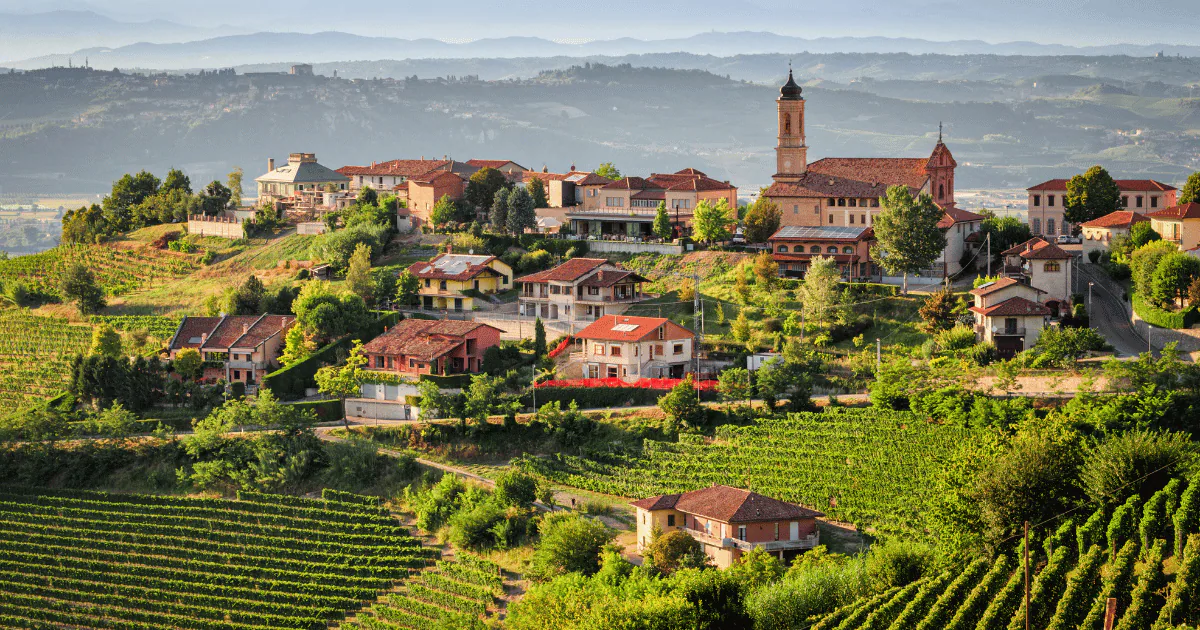
“Nebbia.”
Mist.
In the Langhe, it doesn’t hide the landscape.
It slowly reveals it.
Some places become famous because of what they produce. The Langhe are different.
Long before Barolo and the White Truffle became symbols of this region, these hills had already shaped a way of life. Vineyards, forests, medieval villages and winding country roads have evolved together over centuries, creating a landscape that feels both timeless and deeply authentic.
Located in southern Piedmont, just an hour from Turin and around two hours from Milan Malpensa Airport, the Langhe are often introduced as one of Italy’s great wine destinations. While that’s certainly true, it only tells part of the story.
These hills are, above all, about the relationship between people and the land.
It is no coincidence that this cultural landscape has been recognised as a UNESCO World Heritage Site. Not because of a single monument, but because generations of farmers, winemakers and local families have preserved a unique balance between nature and human craftsmanship.
Here, every season changes the scenery, every village has its own rhythm and every road invites you to slow down.
A LAND WHERE FOOD BECOMES CULTURE
In the Langhe, food is never simply something to eat.It is part of everyday life.
Meals are shared without hurry, recipes have been passed down through generations and local producers still work with extraordinary respect for their ingredients.
This philosophy explains why the Slow Food movement was born just a few miles away, in the town of Bra. Founded by Carlo Petrini, it became an international movement promoting local traditions, biodiversity and a more conscious way of experiencing food.
You can still feel those values today. Whether you stop at a small family run trattoria or visit a local market, you’ll quickly understand that food here isn’t about trends. It’s about identity.
BEYOND THE WINE
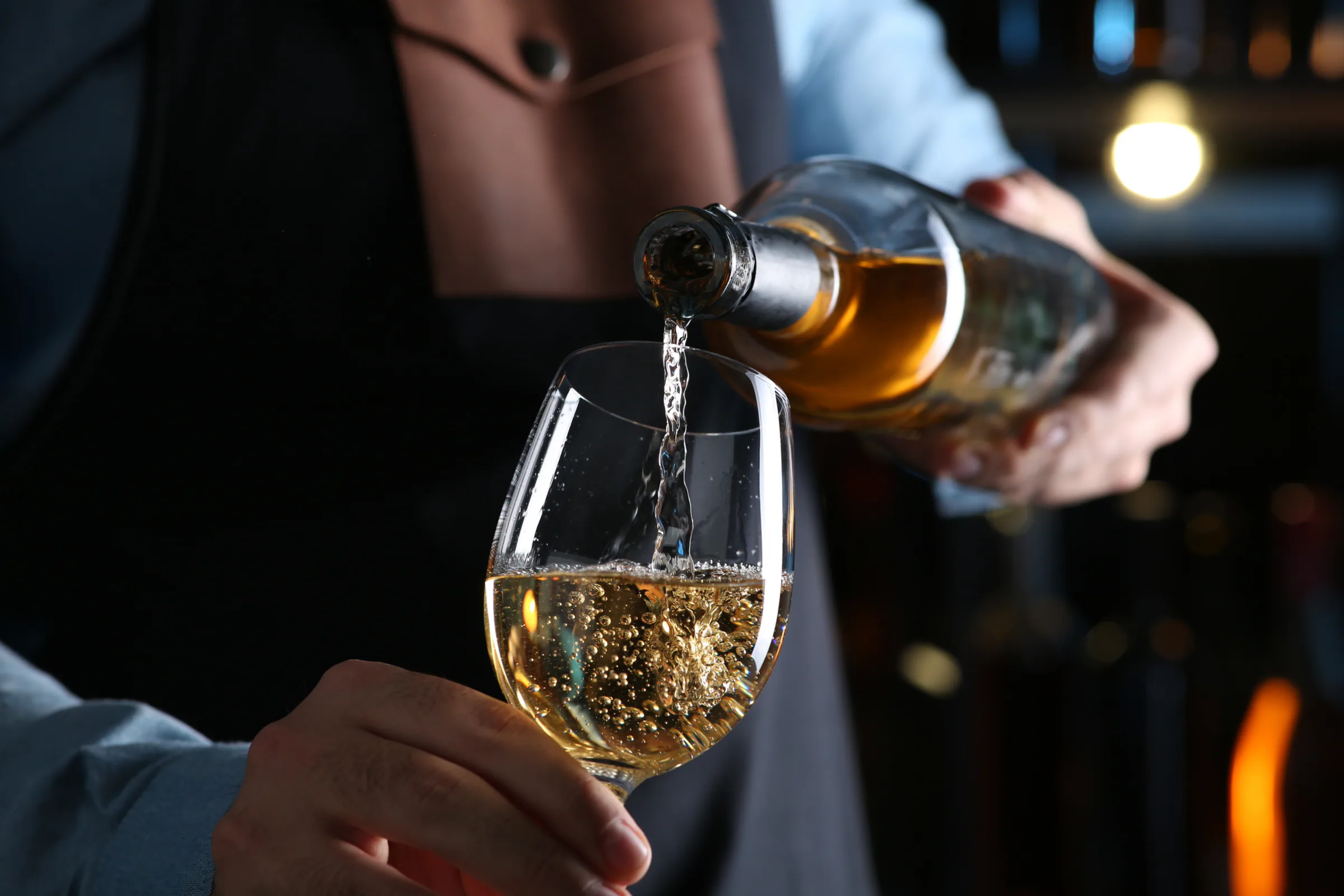
Barolo and Barbaresco have made the Langhe famous across the world. Yet the wines themselves are only part of a much bigger story. Every bottle reflects the character of these hills: the limestone soils, the changing seasons, the morning fog that gave the Nebbiolo grape its name, and generations of families who continue to cultivate the vineyards with remarkable dedication.
Many wineries remain family owned, making every visit feel personal rather than commercial. Instead of simply tasting wine, you’ll often find yourself listening to stories about harvests, family traditions and a deep connection with the land.
Those conversations often become the most memorable part of the experience.
THE WHITE TRUFFLE TRADITION
Every autumn, Alba welcomes visitors from around the world for its International White Truffle Fair, but the true story of the White Truffle begins long before it reaches the table. It begins at dawn.
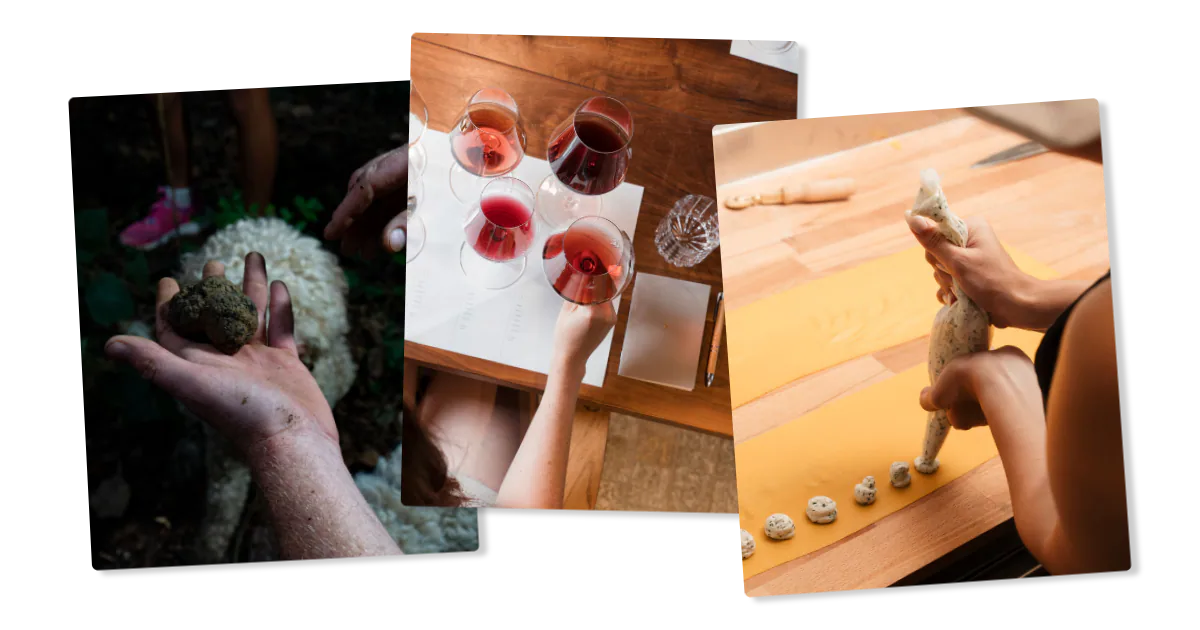
Local trifulau (local truffle hunter), accompanied only by their trusted dogs, walk through hidden woods searching for one of nature’s rarest treasures. The places where they search remain closely guarded secrets, passed from one generation to the next.
SELECTED EXPERIENCES
Truffle Hunting with a Local Trifulau
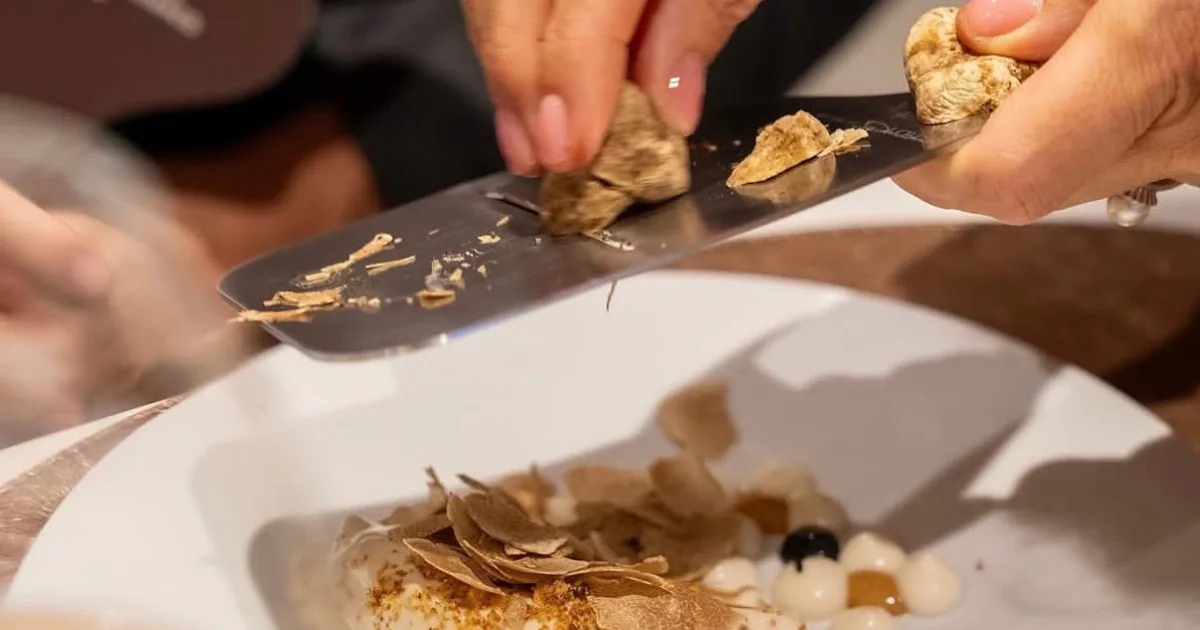
Joining a truffle hunt isn’t simply about finding truffles. It is about witnessing a tradition built on patience, trust and an extraordinary knowledge of nature. Many hunts end not in a restaurant, but in the trifulau’s own home, where freshly shaved white truffle is served over handmade tajarin or simple fried eggs. Nothing more is needed.
Exceptional ingredients have always spoken for themselves.
The Langhe by E-Bike
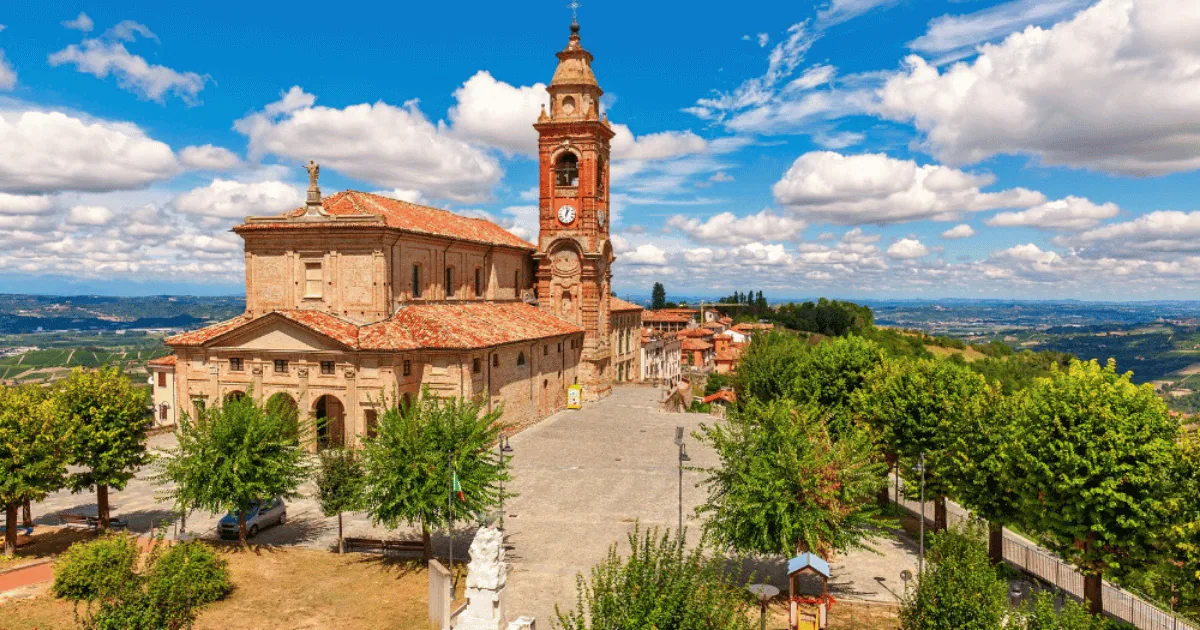
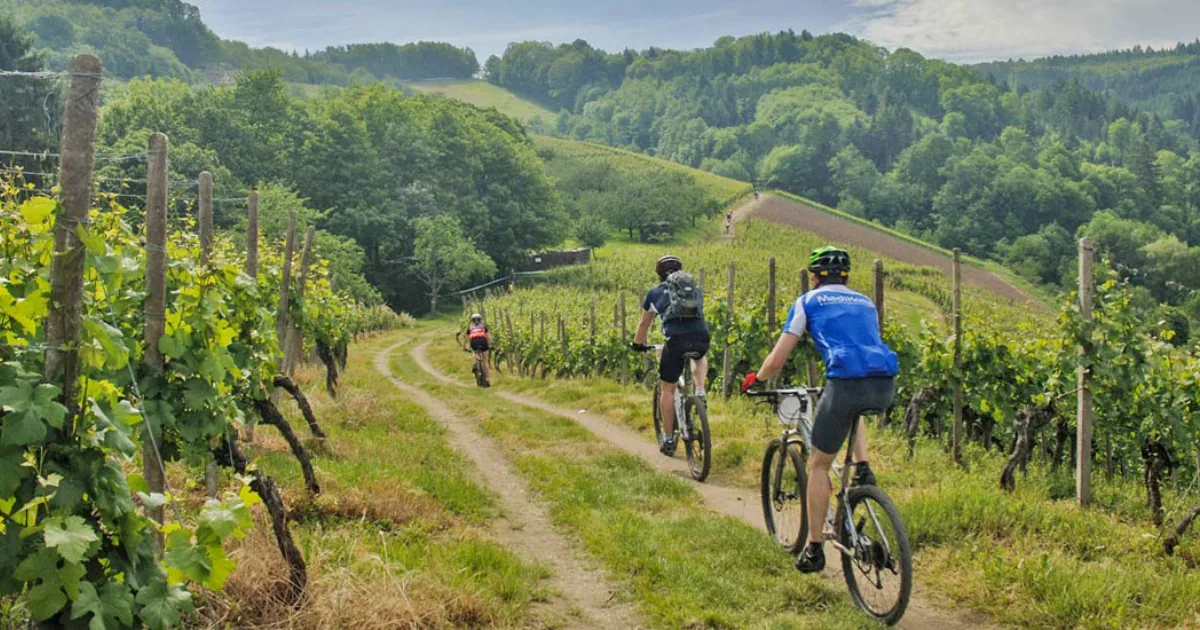
Cycling through the vineyards on an e-bike allows you to explore villages such as La Morra, Monforte d’Alba and Serralunga at your own pace, stopping whenever a panoramic view, a family winery or a small café catches your attention.
History lovers will enjoy wandering through medieval castles and villages like Neive or Grinzane Cavour, where every stone tells part of the region’s story.
More often than not, however, the memories you’ll treasure most won’t be planned.
They’ll be found in a conversation, a shared meal or a quiet moment overlooking the hills.
WHERE TO STAY
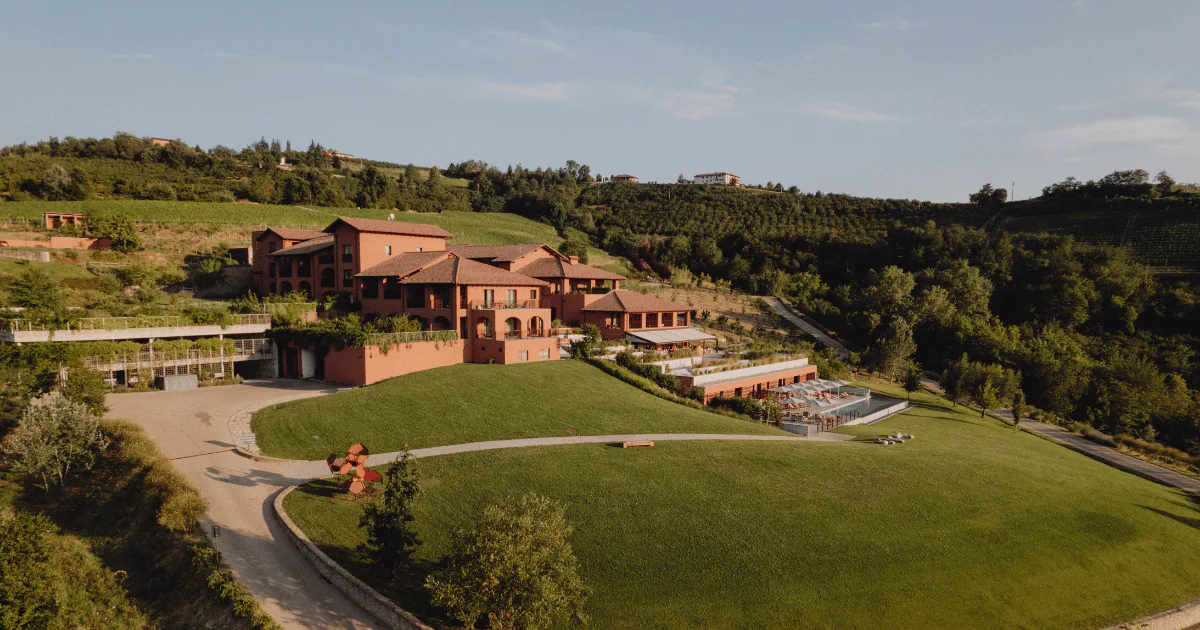
Casa di Langa
Every journey deserves a place that reflects the spirit of its surroundings.
Casa di Langa offers contemporary elegance immersed among vineyards, combining refined hospitality, wellness and nature in perfect harmony.
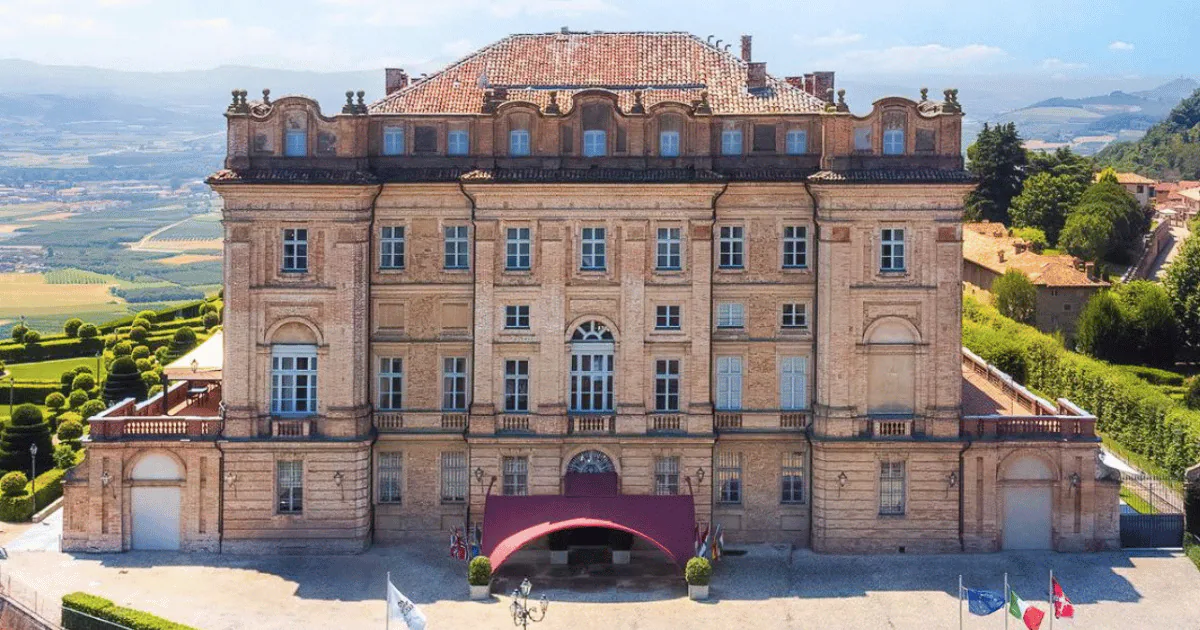
Castello di Guarene
For a more historic experience, Castello di Guarene welcomes guests inside an eighteenth-century noble residence, where frescoed halls and panoramic terraces overlook the rolling hills of the Langhe. Different atmospheres, the same timeless sense of place.
A TASTE OF LANGHE
The Hazelnut Story
The Langhe are not only covered with vineyards.
Large stretches of these hills are dedicated to hazelnut groves, whose fruit has shaped one of Italy’s most remarkable entrepreneurial stories.
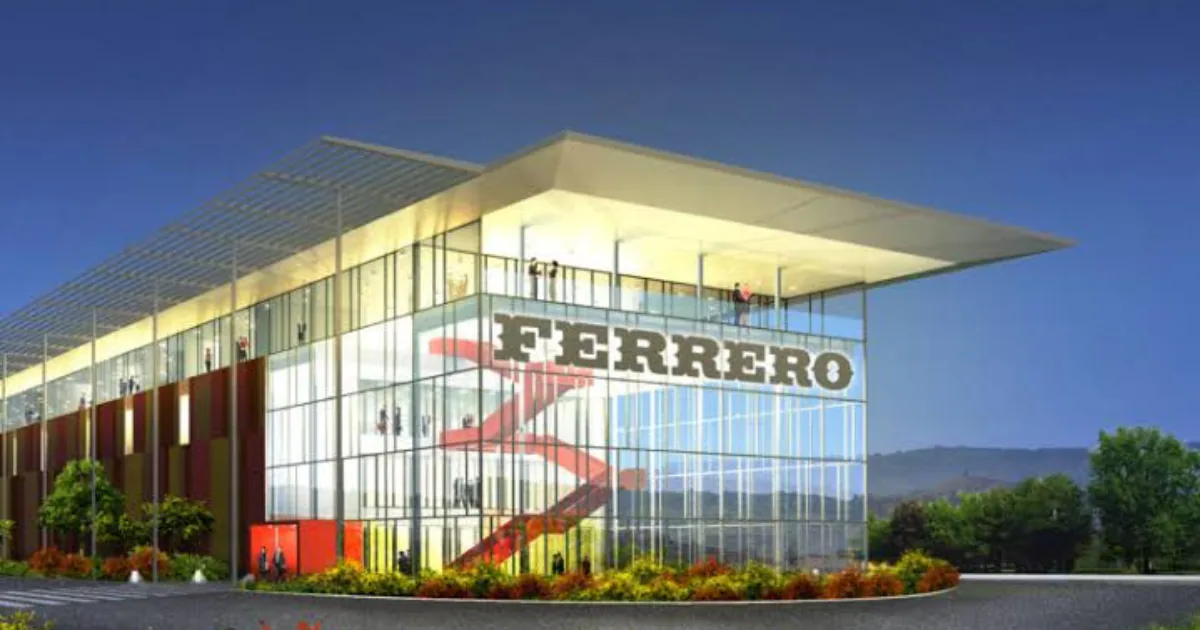
After the Second World War, cocoa was scarce, while local hazelnuts were abundant. Pietro Ferrero transformed that simple reality into an opportunity, creating the first recipe that would eventually become Nutella.
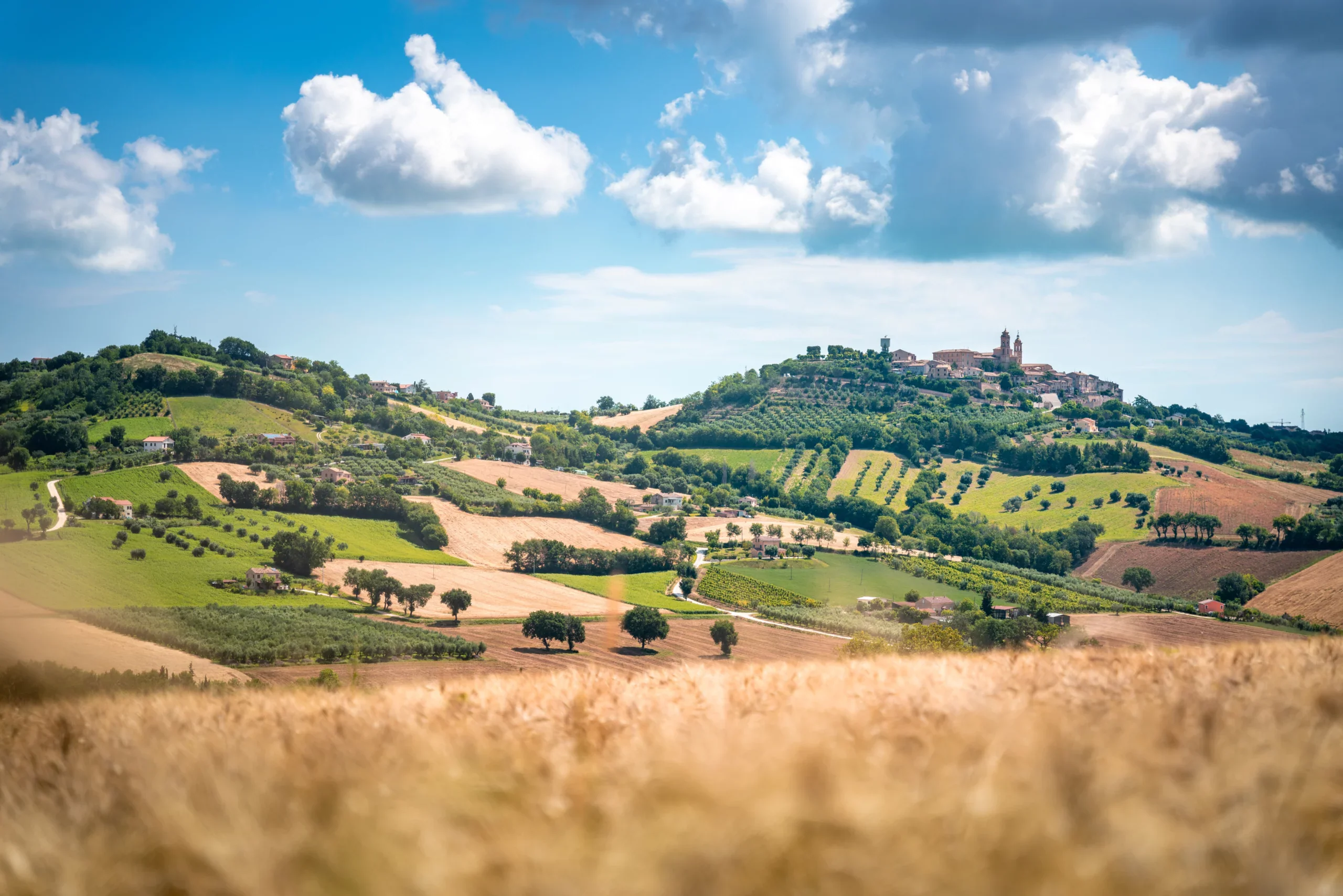
Driving through the Langhe today, you’ll still see vineyards alternating with hazelnut orchards.
A reminder that some of Italy’s greatest ideas have always started with the land.
DESERVING INSIGHT
When We Recommend Experiencing the Langhe
The Langhe change beautifully with the seasons, but if we had to choose one time to experience them, we would recommend autumn.
From September onwards, the vineyards begin to change colour, harvest season brings the countryside to life and, as the weeks pass, the White Truffle becomes part of the experience. By late autumn, Alba and the surrounding villages have a completely different energy, with the International White Truffle Fair drawing visitors from around the world.
Spring and early summer, however, reveal another side of the Langhe. The hills are green, the days are longer and the countryside is ideal for e-bike tours, hiking and long lunches outdoors.
Our advice? Choose the season according to the experience you want to live. Come in autumn for the flavours and traditions. Come in spring or early summer for the landscape and outdoor life.
Modena and Bologna: Two Cities, One Table
"Acetaia" A place where balsamic vinegar is made and aged. In Modena, an acetaia is often an attic above a family home, where wooden barrels are tended for decades and passed from one generation to the next. The word offers a glimpse of the city beyond its monuments:...
Rome in low light: the case for visiting in winter
"Volemose Bene"Literally, “let’s care for one another.” Like many Roman expressions, its meaning depends as much on the tone and the moment as on the words themselves. It can be affectionate, ironic, conciliatory and unmistakably Roman.It is one of those expressions...
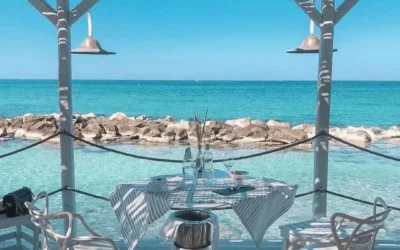
Salento Beyond the Beaches: A Journey Through Southern Puglia
"Lu sule, lu mare, lu ientu." The sun, the sea and the wind. If you spend enough time in Salento, you'll hear this expression more than once.It isn't just a local saying. It's probably the simplest way to describe this corner of southern Italy. The sun shapes daily...