
Places Worth Experiencing
Modena and Bologna:
Two Cities, One Table
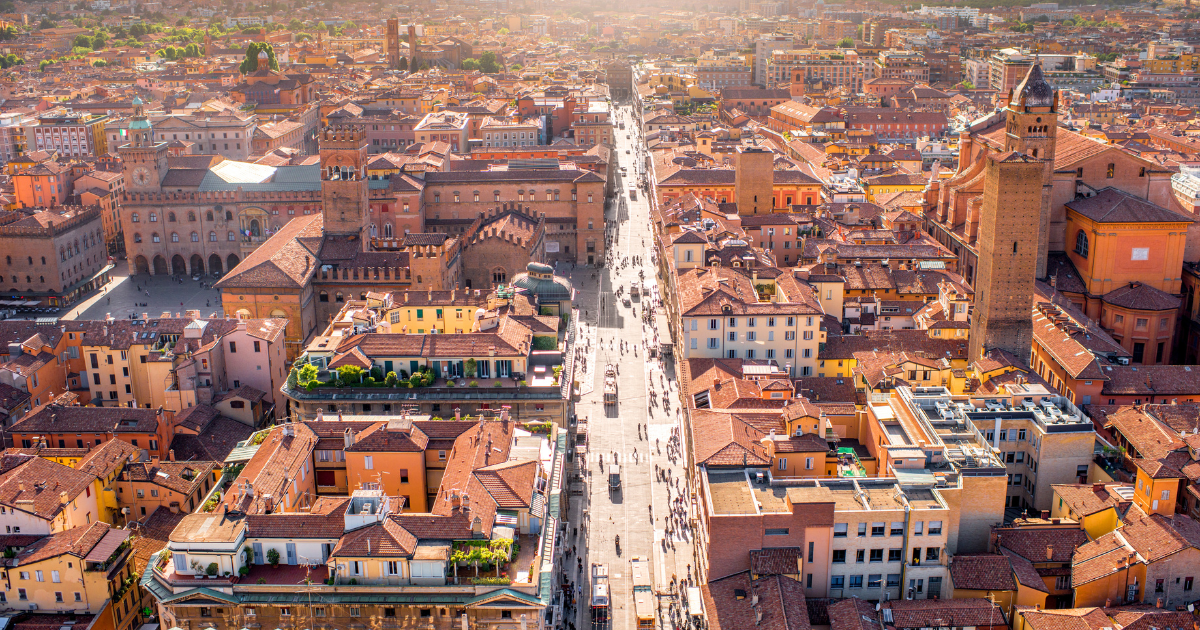
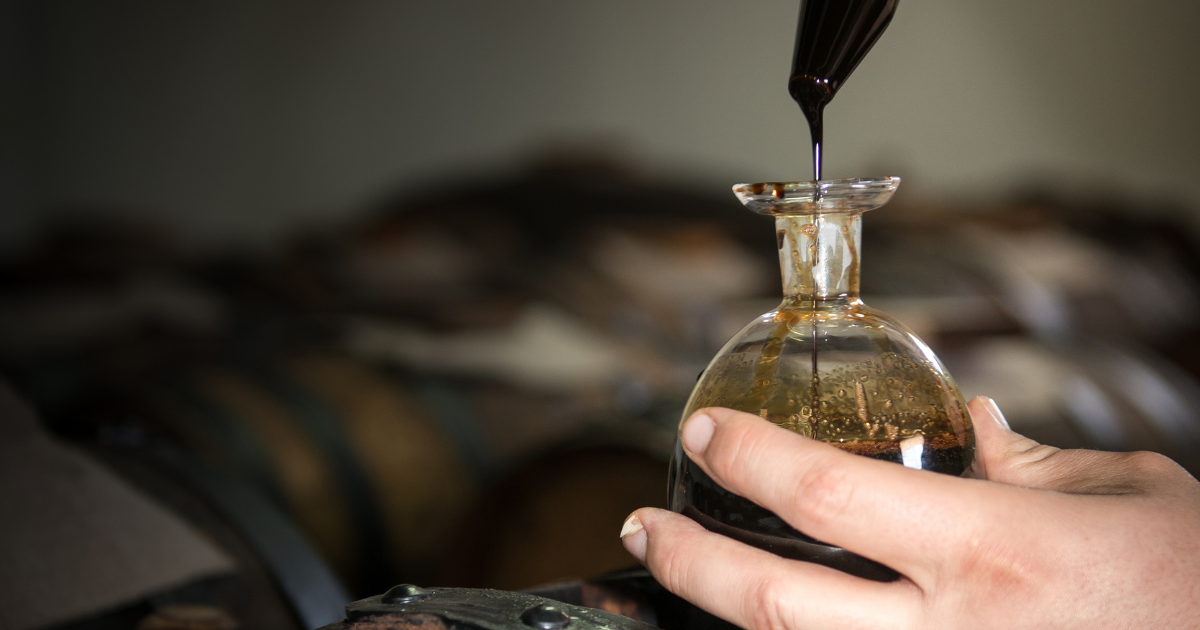
“Acetaia”
A place where balsamic vinegar is made and aged.
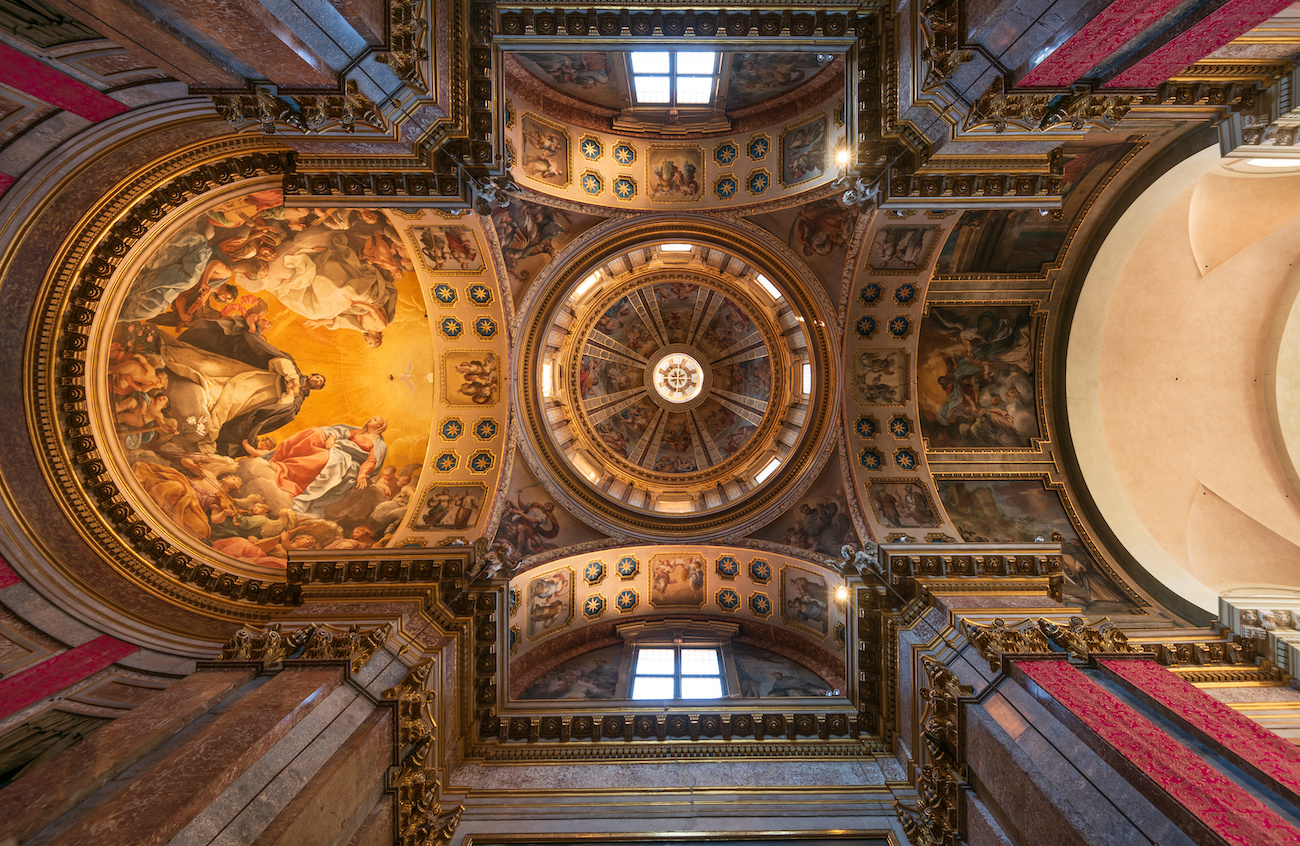
In Modena, an acetaia is often an attic above a family home, where wooden barrels are tended for decades and passed from one generation to the next. The word offers a glimpse of the city beyond its monuments: a place where food, craft and family history are closely connected.
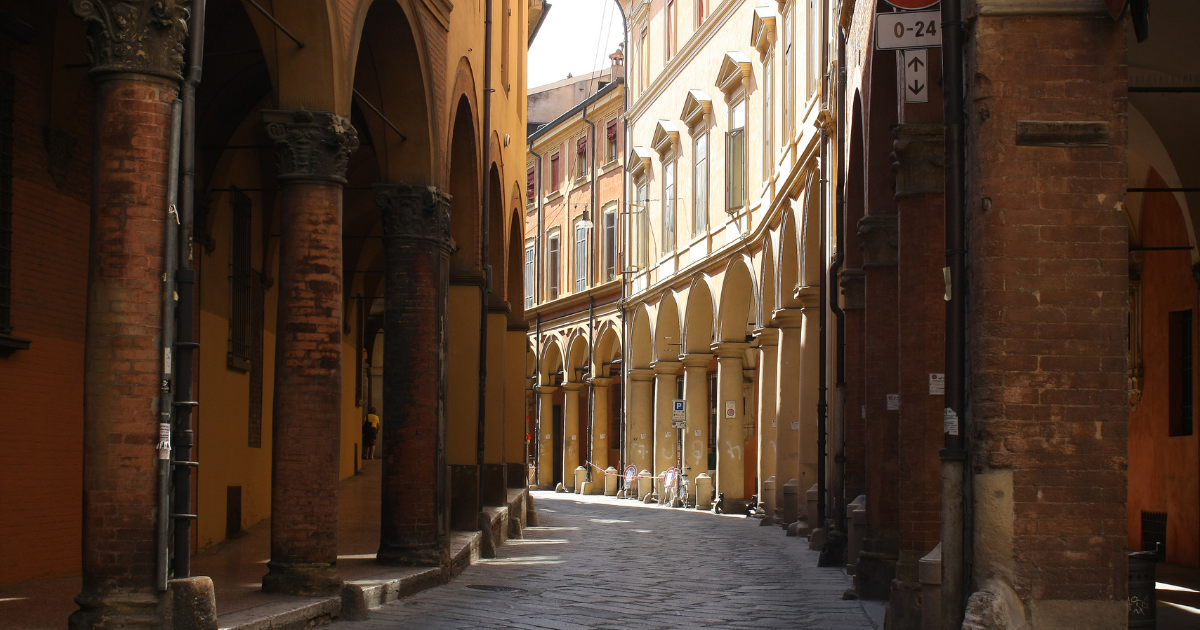
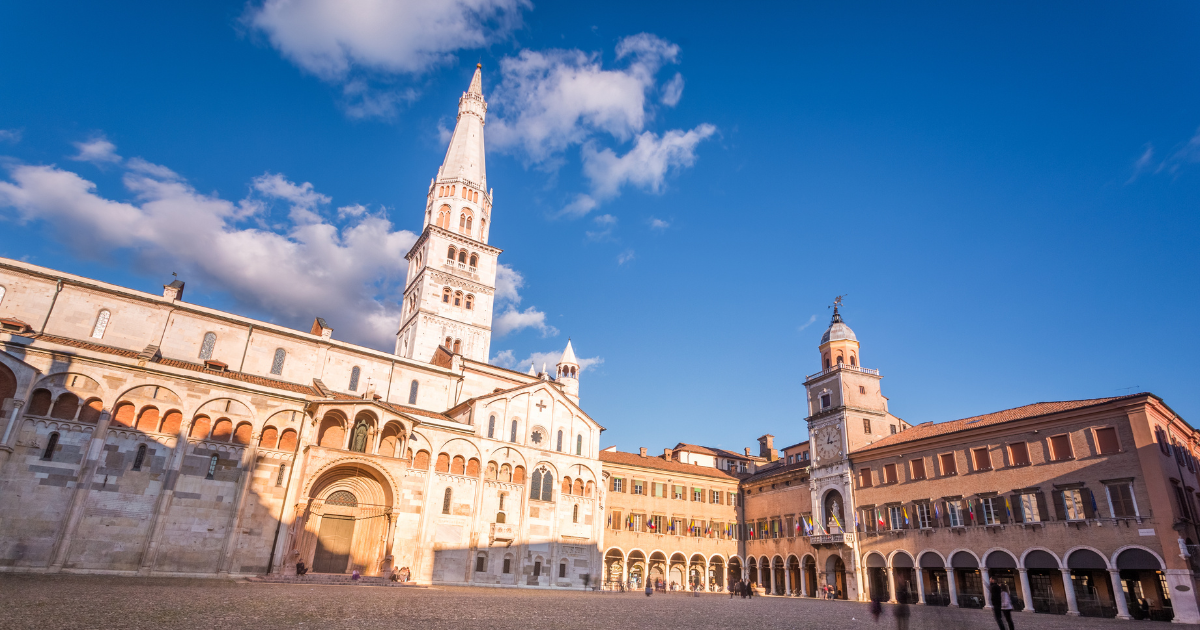
Modena and Bologna are less than an hour apart, yet each has a character of its own. In Modena, Piazza Grande opens between the Romanesque cathedral and the Ghirlandina tower. In Bologna, the porticoes lead towards Piazza Maggiore, the Archiginnasio and the narrow streets of the Quadrilatero. Both cities reward a walk without a strict itinerary: time to enter a palazzo, follow an unfamiliar street and decide where to stop for lunch.
Between January and March, the journey takes on a different pace. Mist may settle over the plain, while life in the cities continues around markets, workshops and dining tables. It is a season that draws you indoors, closer to the people whose work gives these places their character.
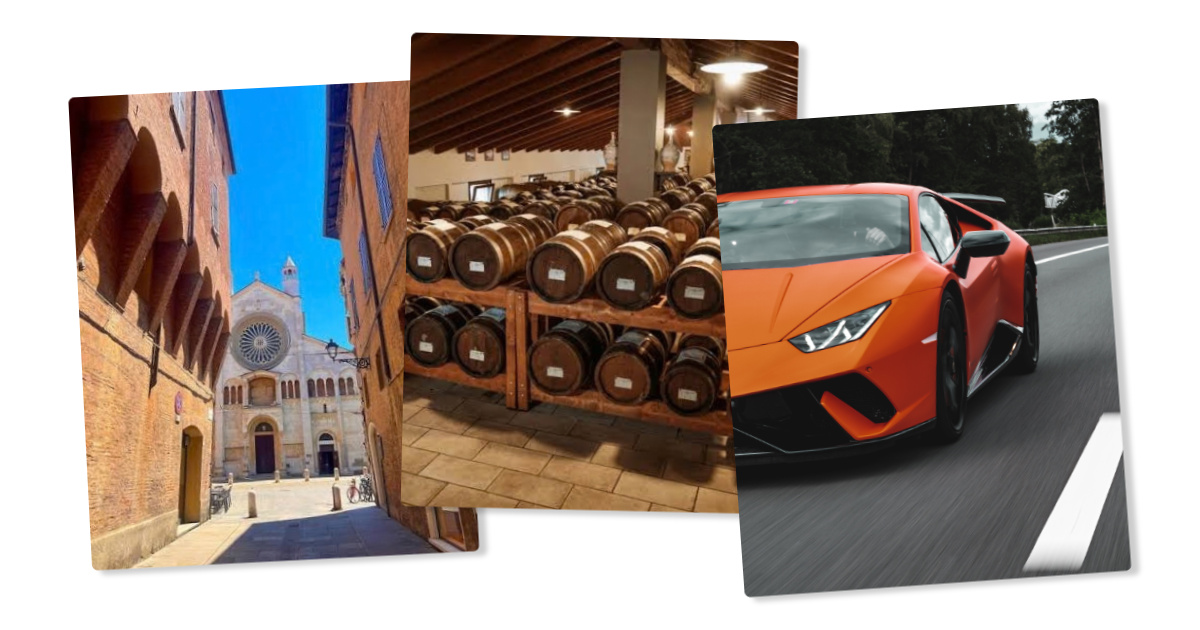
Food is one reason to come, but it is only part of the story. In Modena, a family-run acetaia, the attic where Traditional Balsamic Vinegar ages in wooden barrels, opens its doors to share a craft passed down through generations. The Enzo Ferrari Museum tells the story of the man who put the city on the world’s racing map. Bologna brings you close to the art of handmade pasta, while a short drive takes you to Sant’Agata Bolognese, where Lamborghini builds its cars. For a family with different passions, the journey brings culture, food and cars together, leaving room for everyone’s favourite part of the trip.
Modena, from the piazza to the Motor Valley
Piazza Grande is a good place to begin. The cathedral and the Ghirlandina bell tower speak to Modena’s medieval past, yet the square remains part of the city’s everyday life.
From here, you can continue on foot, leaving room for the details between its landmarks: people crossing the centre, shop windows and the moment you decide it is time to eat.
Inside the acetaia, the barrels are arranged in sets known as batterie. Families tend them year after year, and the barrels themselves may pass from one generation to the next. A tasting gives that history a flavour: a few drops, and the chance to hear how they came to be
Modena also has a name known around the world: Ferrari. The Enzo Ferrari Museum explores the founder’s story in the city where he was born; nearby Maranello is home to the Ferrari plant and the Ferrari Museum. The two museums offer another way to understand the region and a compelling reason for car enthusiasts to linger.
Bologna, a city made for walking
In Bologna, a walk might begin in Piazza Maggiore, in front of the Basilica of San Petronio, and continue beneath the porticoes towards the Archiginnasio, once the seat of the oldest university in the Western world. A little further on, the Quadrilatero’s narrow streets still carry the spirit of an old market. There is always another possible turn: an open doorway, a courtyard, a street you had not planned to take.
Food belongs to this city life. Hand-rolled pasta takes shape in workshops before appearing on the table in dishes woven into local tradition. Seeing it made brings the work behind a meal into focus. Bologna also deserves time with no appointment at all, simply to explore its buildings and neighbourhoods.
Outside the city, the Lamborghini factory at Sant’Agata Bolognese adds a different chapter. Alongside the Ferrari museums in Modena and Maranello, it shows how deeply the Motor Valley is rooted in this part of Italy.
SELECTED EXPERIENCES
Twelve Years in an Attic
In Bologna, the experience continues with a visit devoted to pasta rolled by hand. You can watch the dough, the rolling pin and the practised movements that turn a few ingredients into a sheet of fresh pasta. Together, the two encounters introduce local traditions through the people who keep them alive.
Lamborghini, Factory and Track
At Sant’Agata Bolognese, a visit to the Lamborghini factory follows the assembly line and offers a close look at the work behind each car. The experience may continue on a circuit, where guests drive a sports car with an instructor.
It is a day likely to appeal to teenagers and anyone fascinated by cars. If Ferrari is the family’s particular passion, the Enzo Ferrari Museum in Modena or the Ferrari Museum in Maranello can also be included in the itinerary.
WHERE TO STAY
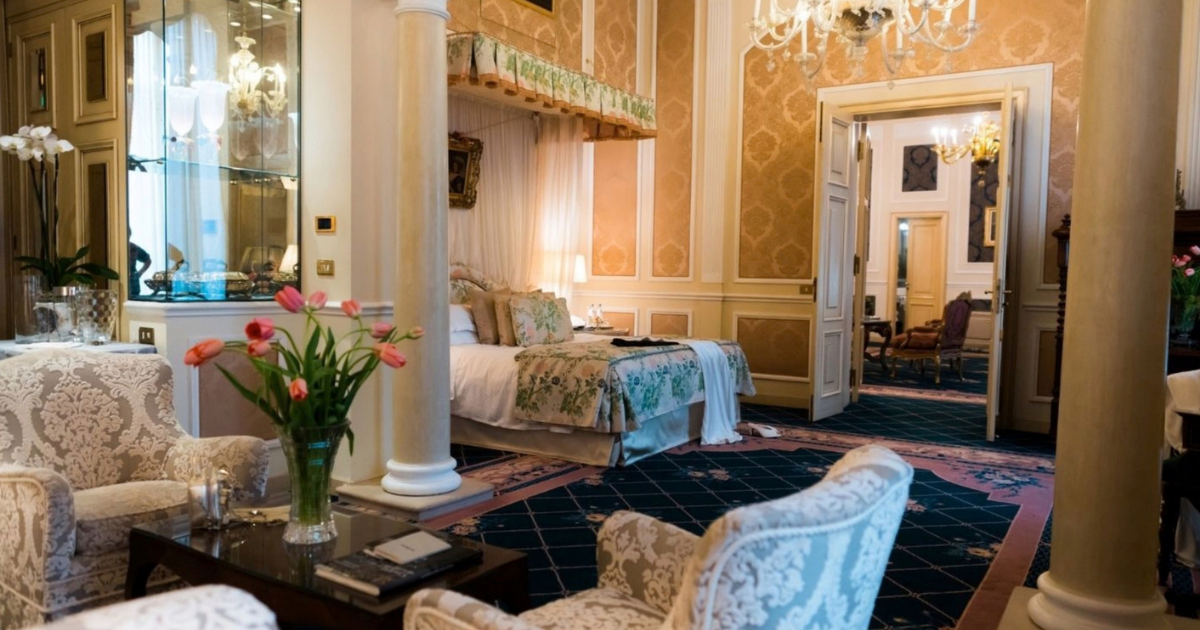
Grand Hotel Majestic, Bologna
Casa Maria Luigia, near Modena
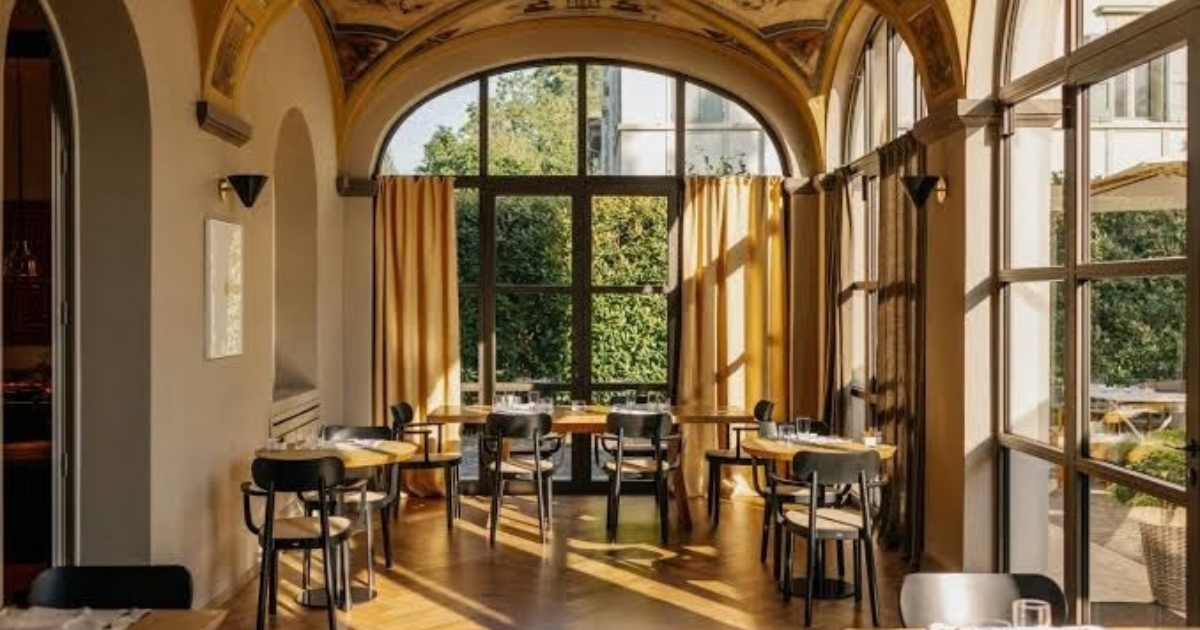
Created by Massimo Bottura and Lara Gilmore, Casa Maria Luigia brings their world of food, contemporary art and hospitality into an eighteenth century country house. Francescana at Maria Luigia revisits dishes from Bottura’s three-Michelin-starred Osteria Francescana, while the estate’s Michelin-starred Al Gatto Verde explores wood-fired cooking under chef Jessica Rosval. Ranked No. 18 in The 50 Best Hotels 2026, it is a stay to build a journey around, particularly for travellers whose first question is where they will eat.
The two hotels give the journey a different rhythm: evenings in the heart of Bologna, or a return to a country house near Modena.
A TASTE OF ROME
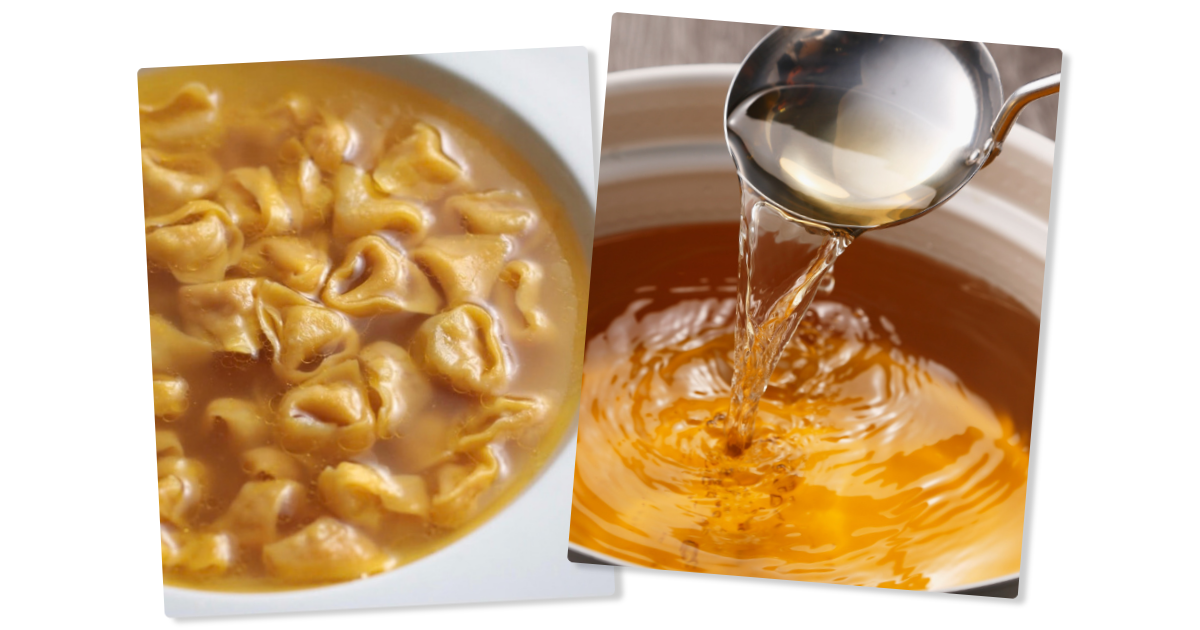
Tortellini in capon broth
A bowl of tortellini in brodo di cappone captures this season. It arrives warm after a morning out, the small tortellini wrapped in delicate pasta. Ten spoonfuls may be enough to finish it.
The dish is simple to serve and hard to forget. In January, February or March, it does not feel chosen to represent a tradition. It feels like exactly what you hoped would be waiting at the table.
DESERVING INSIGHT
Why travel between January and March
Between January and March, a family that runs an acetaia may have time to welcome two guests and spend an hour with them among the barrels. There is room for questions, for tasting and for a conversation to find its own pace. From May onwards, as visits become more frequent, that same encounter may take place with a larger group.
Rome in low light: the case for visiting in winter
"Volemose Bene"Literally, “let’s care for one another.” Like many Roman expressions, its meaning depends as much on the tone and the moment as on the words themselves. It can be affectionate, ironic, conciliatory and unmistakably Roman.It is one of those expressions...
The Langhe: Where the Landscape Tells the Story
"Nebbia."Mist. In the Langhe, it doesn't hide the landscape.It slowly reveals it. Some places become famous because of what they produce. The Langhe are different. Long before Barolo and the White Truffle became symbols of this region, these hills had already shaped a...
Salento Beyond the Beaches: A Journey Through Southern Puglia
"Lu sule, lu mare, lu ientu." The sun, the sea and the wind. If you spend enough time in Salento, you'll hear this expression more than once.It isn't just a local saying. It's probably the simplest way to describe this corner of southern Italy. The sun shapes daily...